☀ Weather station Live feeds
The Land & Wildlife

What lives here, and what we do about it

A plain field guide to Skye. The plants and animals on and around the land, the threats pressing on this bushland, and the restoration work already underway.

Native flora

the canopy

Two eucalypts shape the canopy here. Telling them apart is simple once you know the trick. Count the flower buds in a cluster. Three means SA Blue Gum. Seven means Manna Gum.
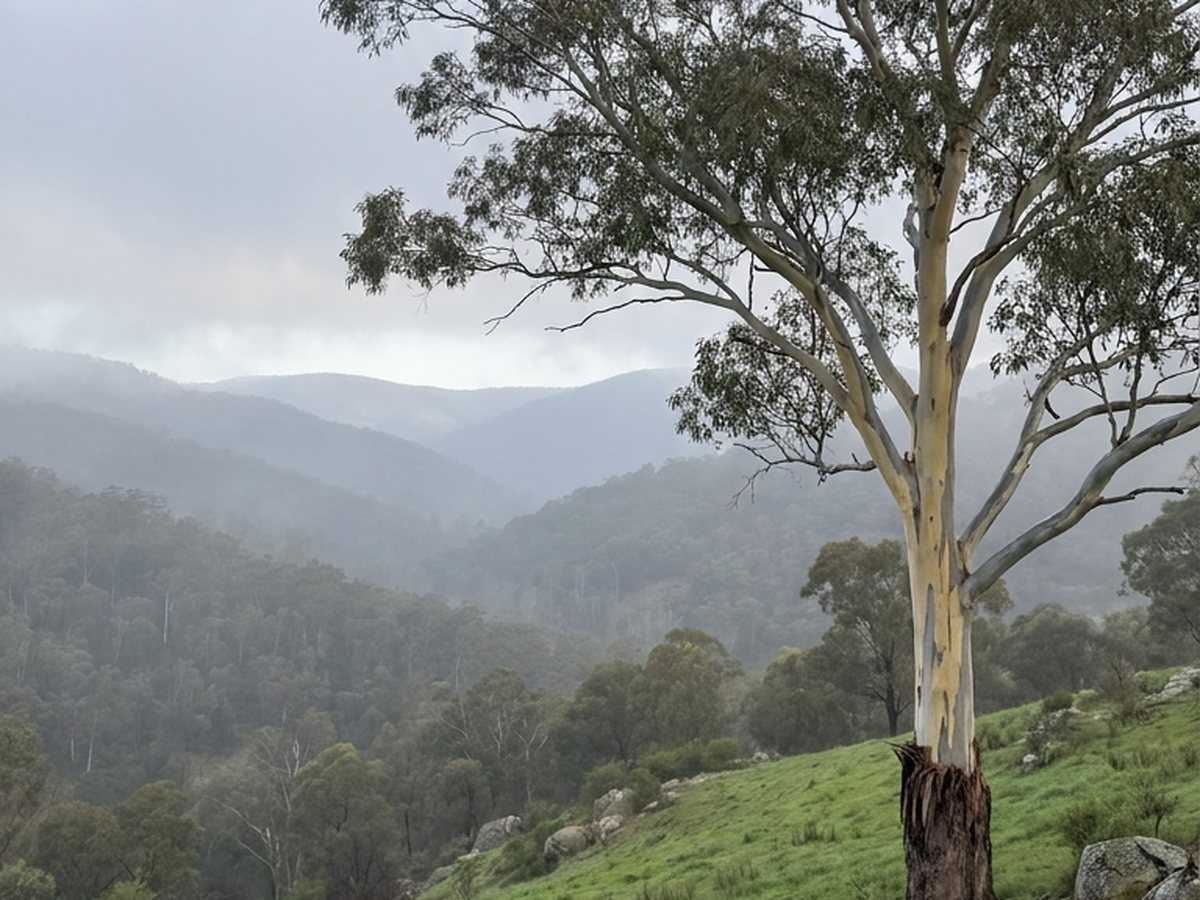
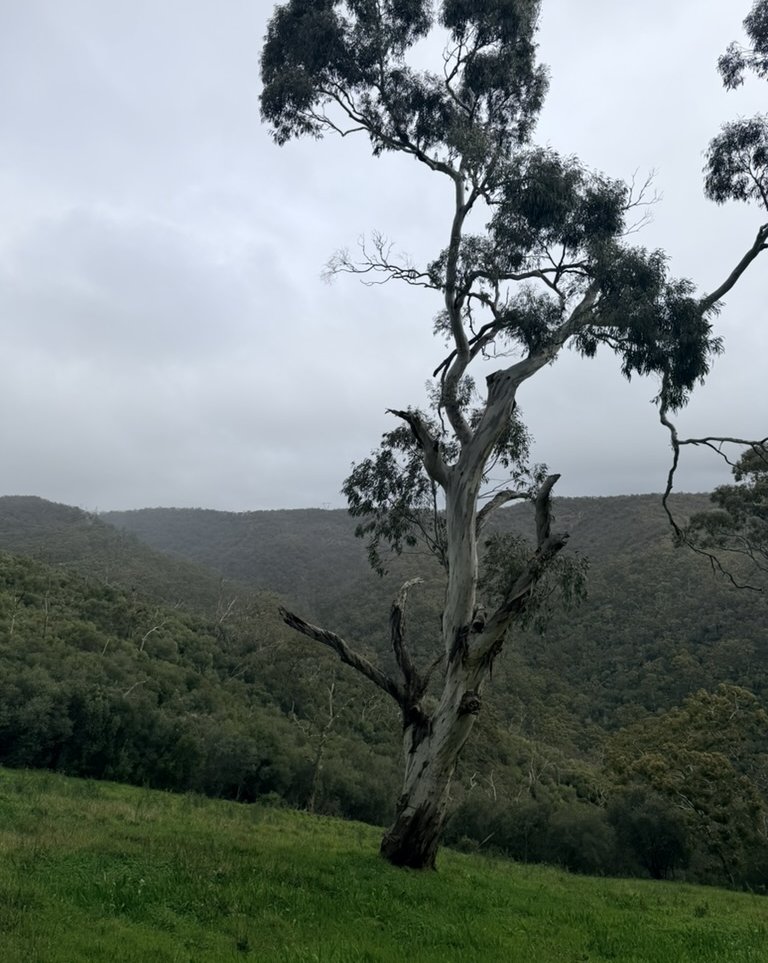
A tall SA Blue Gum with a smooth pale trunk on a misty Adelaide Hills slope
Confirmed on site · 11 Aug 2026

SA Blue Gum

Eucalyptus leucoxylon

Flower buds in threes, the single most reliable check. A smooth pale trunk over a short rough sock at the base. Dull grey-green leaves, the same shade both sides. This is the gum that holds the dry eastern slopes, and it is confirmed on the land.

Photo coming
Found in this part of the Hills

Manna Gum

Eucalyptus viminalis

Flower buds in sevens. Rough bark over the lower half of the trunk, smooth above, shedding in long ribbons that hang off the branches. Favours the damp gully. Not yet confirmed on the property, but found through this part of the Hills.

The quick field call

Buds in threes is Blue Gum. Sevens is Manna Gum. No buds on the tree? Look at a young leaf near the base instead. Broad and stalked means Blue Gum. Narrow and clasping the stem means Manna Gum. Adult leaf size does not help, the two overlap too much to tell them apart in the hand.

The understorey and ground layer

September survey

Below the gums, the September survey confirmed a native understorey holding on through the weeds. These are the plants a restored ground layer is built back from.
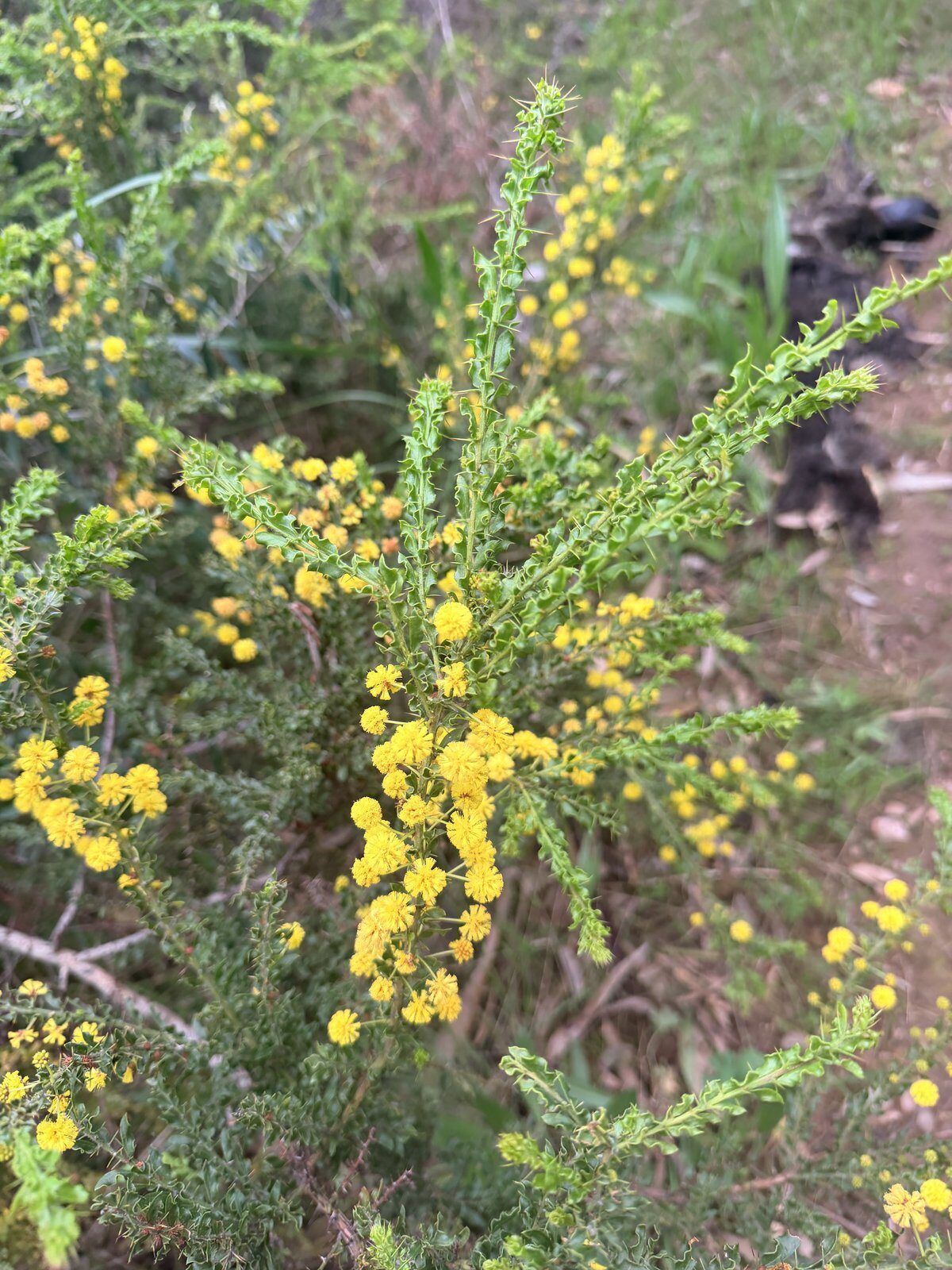
Kangaroo Thorn
Confirmed on site

Kangaroo Thorn

Acacia paradoxa

A dense, prickly wattle that shelters small birds and skinks. Confirmed on the outcrops in the September survey.
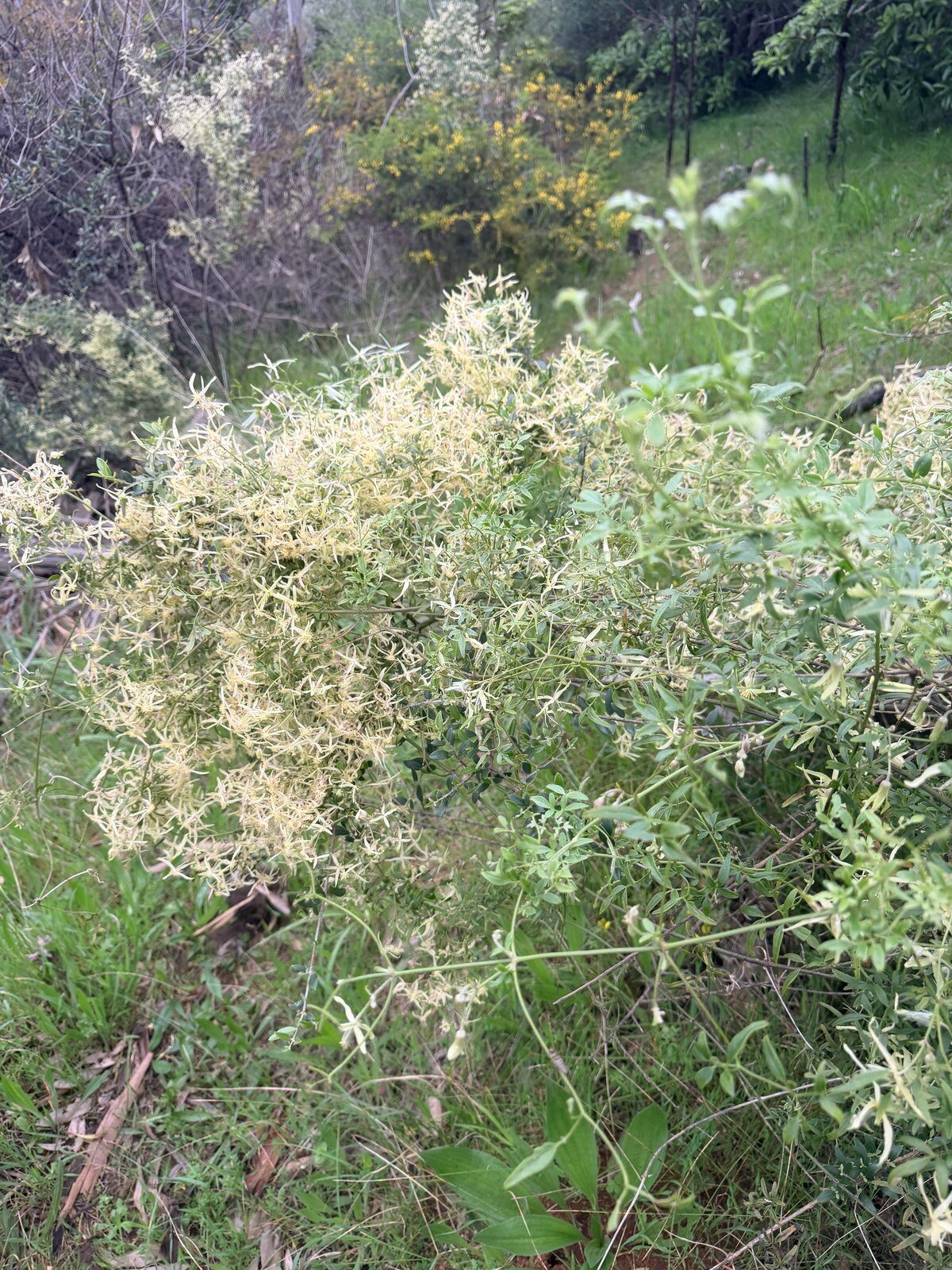
Small-leaved Clematis
Confirmed on site

Small-leaved Clematis

Clematis microphylla

A native climber that threads through the understorey and flowers cream in spring.
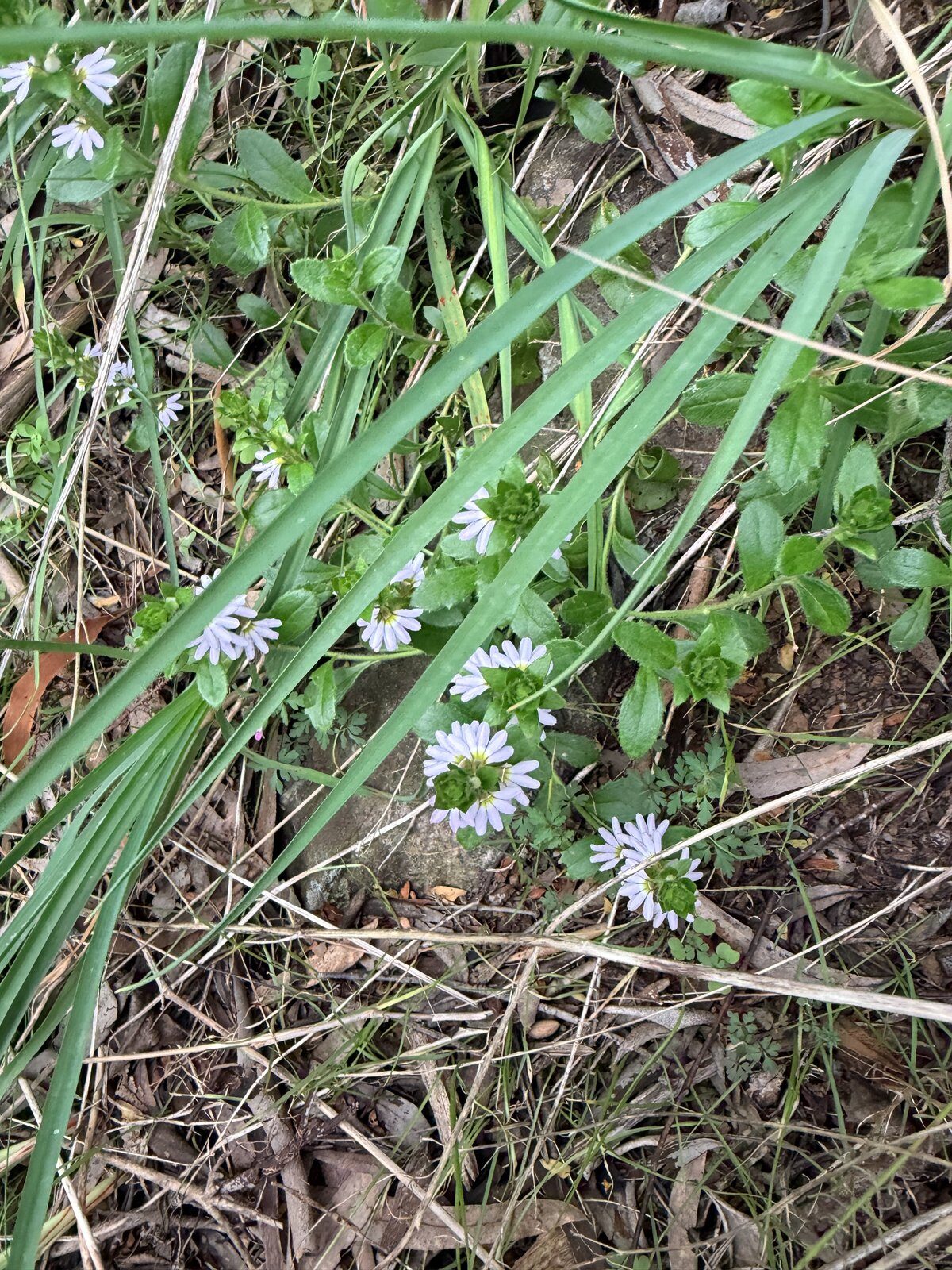
White Fanflower
Confirmed on site

White Fanflower

Scaevola albida

A low groundcover with fan-shaped flowers, holding on in the rocky ground.
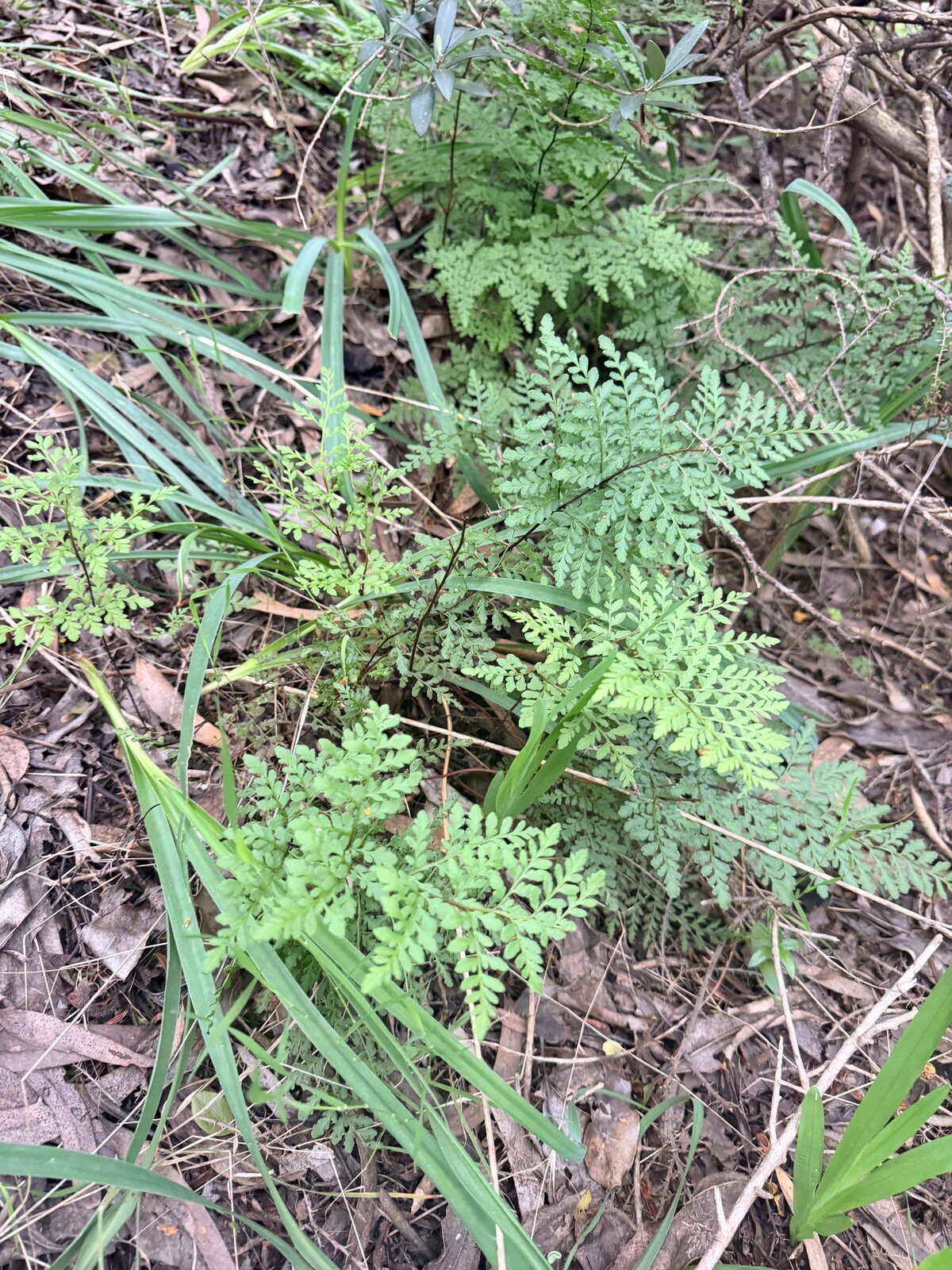
Rock Fern
Confirmed on site

Rock Fern

Cheilanthes austrotenuifolia

A hardy native fern tucked into the shade of the rock outcrops.

Photo coming
Confirmed on site

Golden Wattle

Acacia pycnantha

South Australia's floral emblem, confirmed on the land. A mass of yellow bloom in late winter.
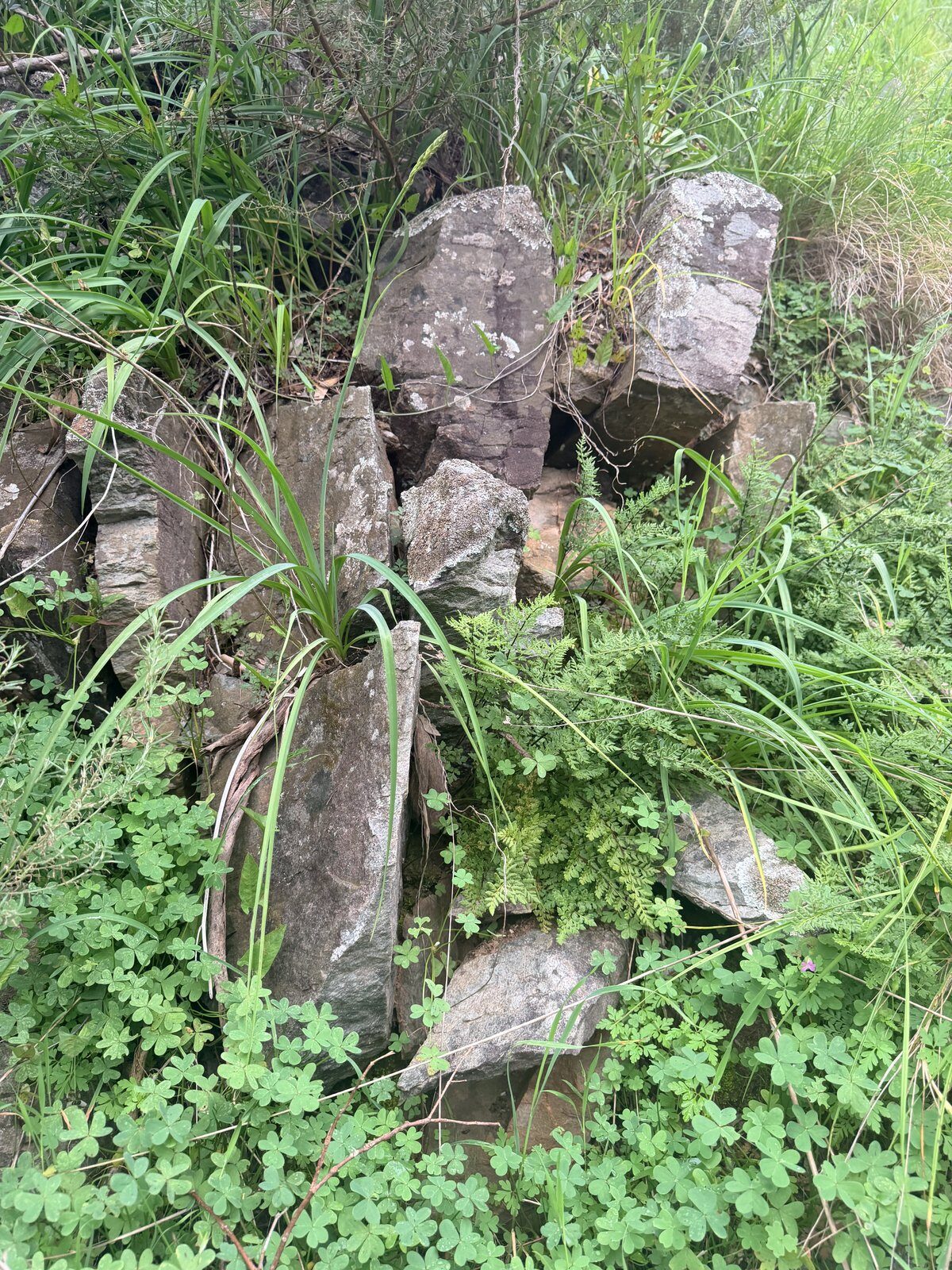
Rock outcrop and mat-rush
Skink habitat

Rock outcrop and mat-rush

Lomandra sp.

Mat-rushes and lichen-covered rock. This is the habitat Cunningham's Skink depends on.

Photo coming
Recorded on site

Grevillea

Grevillea sp.

Recorded on site, possibly a remnant planting. Nectar for honeyeaters through the cooler months.
Native fauna

what to look for

Some of these you will see. Most you will only notice if you know what to look for. All are recorded on or around the land.

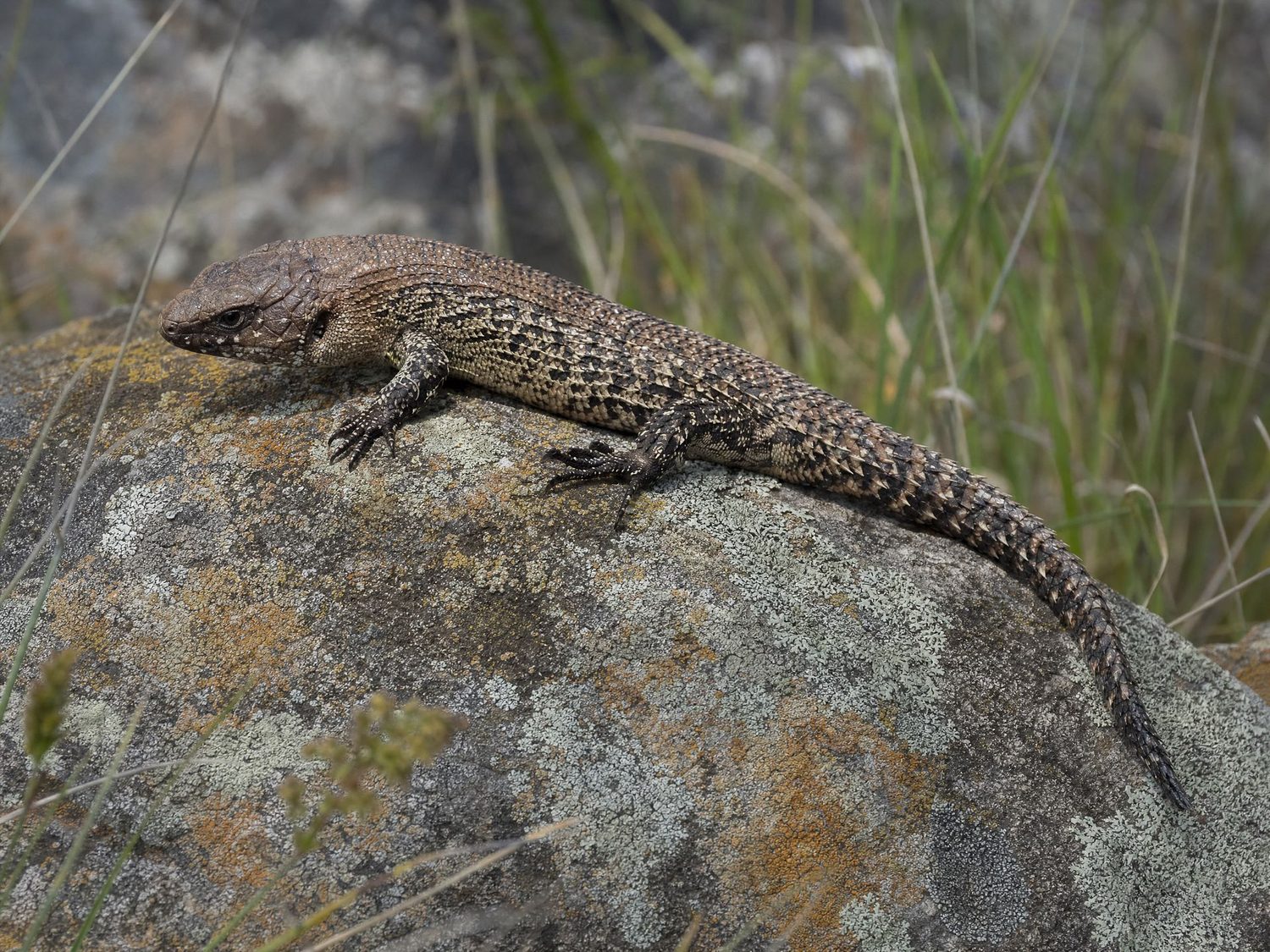
A Cunningham's Skink basking on a lichen-covered rock among native grass
SA Endangered

Cunningham's Skink

Egernia cunninghami

Cunningham's Skink, endangered in South Australia, lives in Skye's rocky outcrops.

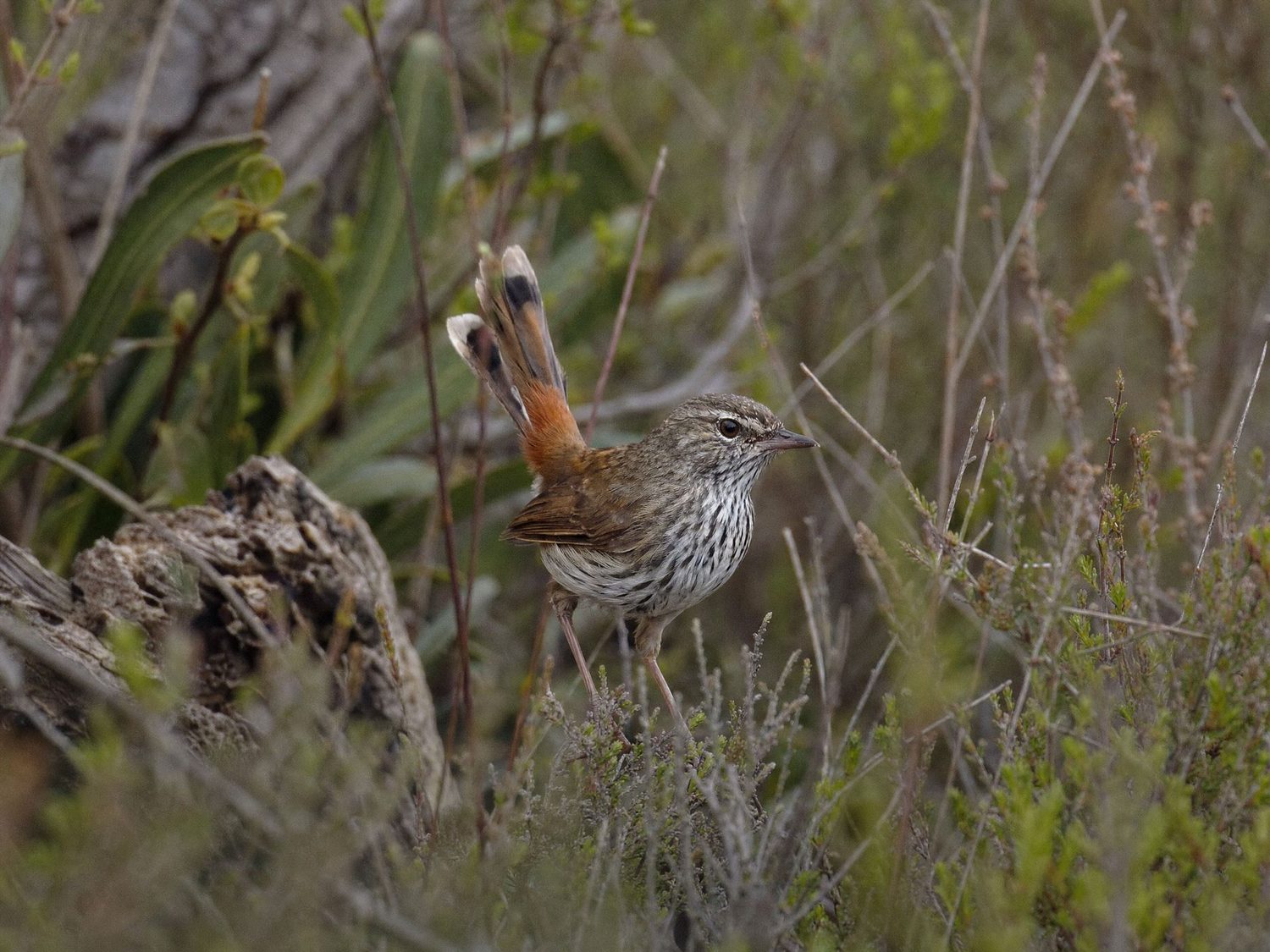
A Chestnut-rumped Heathwren in dense heath understorey, chestnut rump and streaked breast
SA Endangered

Chestnut-rumped Heathwren

Hylacola pyrrhopygia parkeri

Chestnut-rumped Heathwren, endangered in South Australia, our highest-count threatened species.

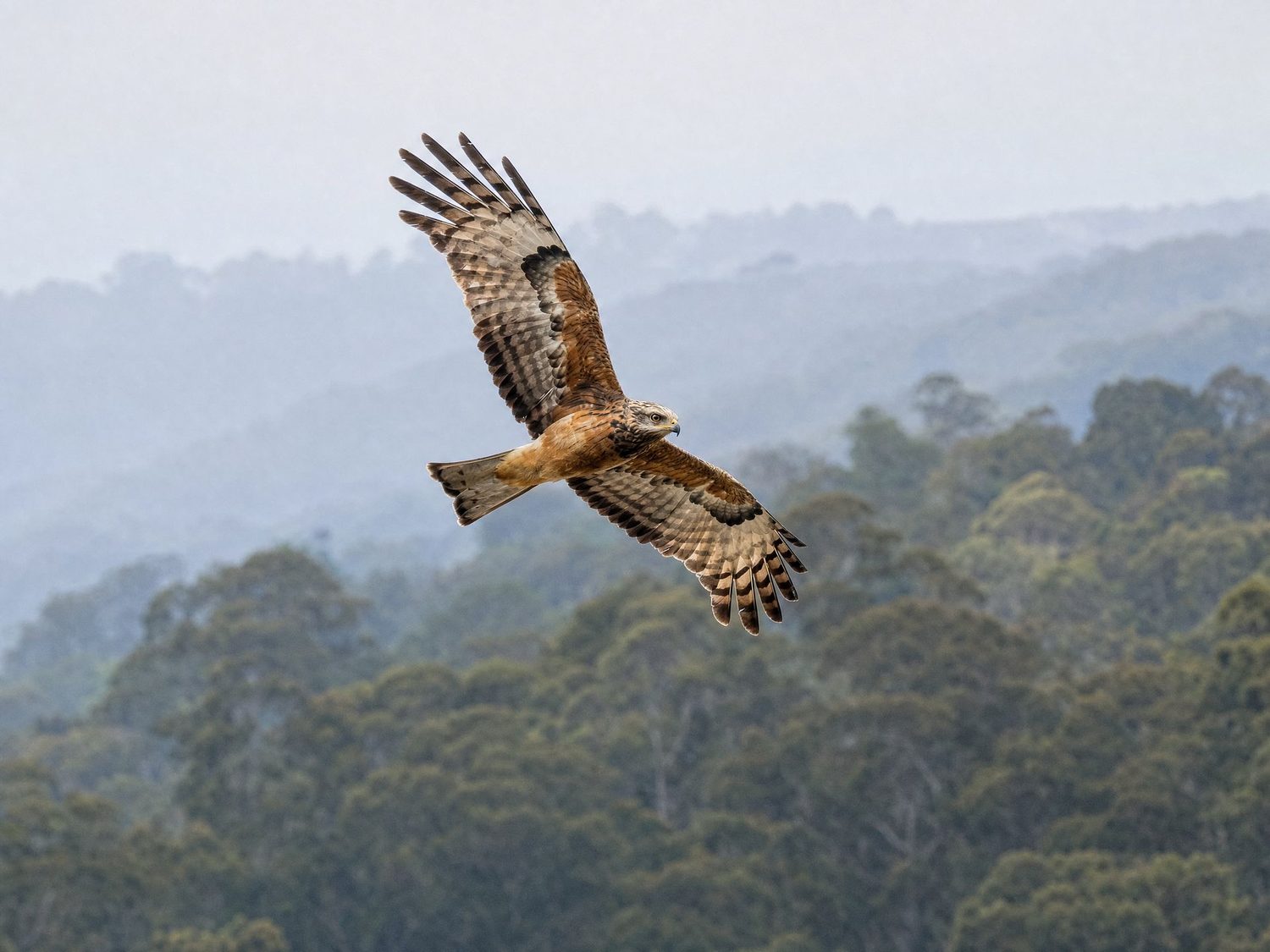
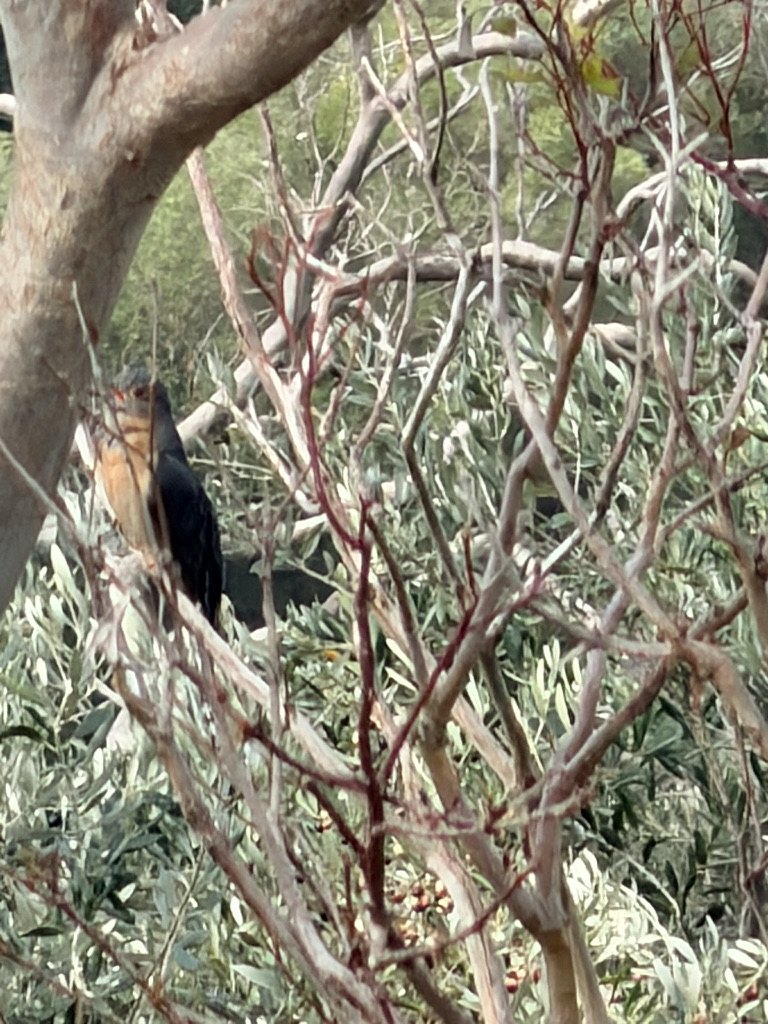
A Square-tailed Kite soaring over misty Adelaide Hills woodland
SA Endangered

Square-tailed Kite

Lophoictinia isura

Square-tailed Kite, endangered in South Australia, hunts low over the canopy.

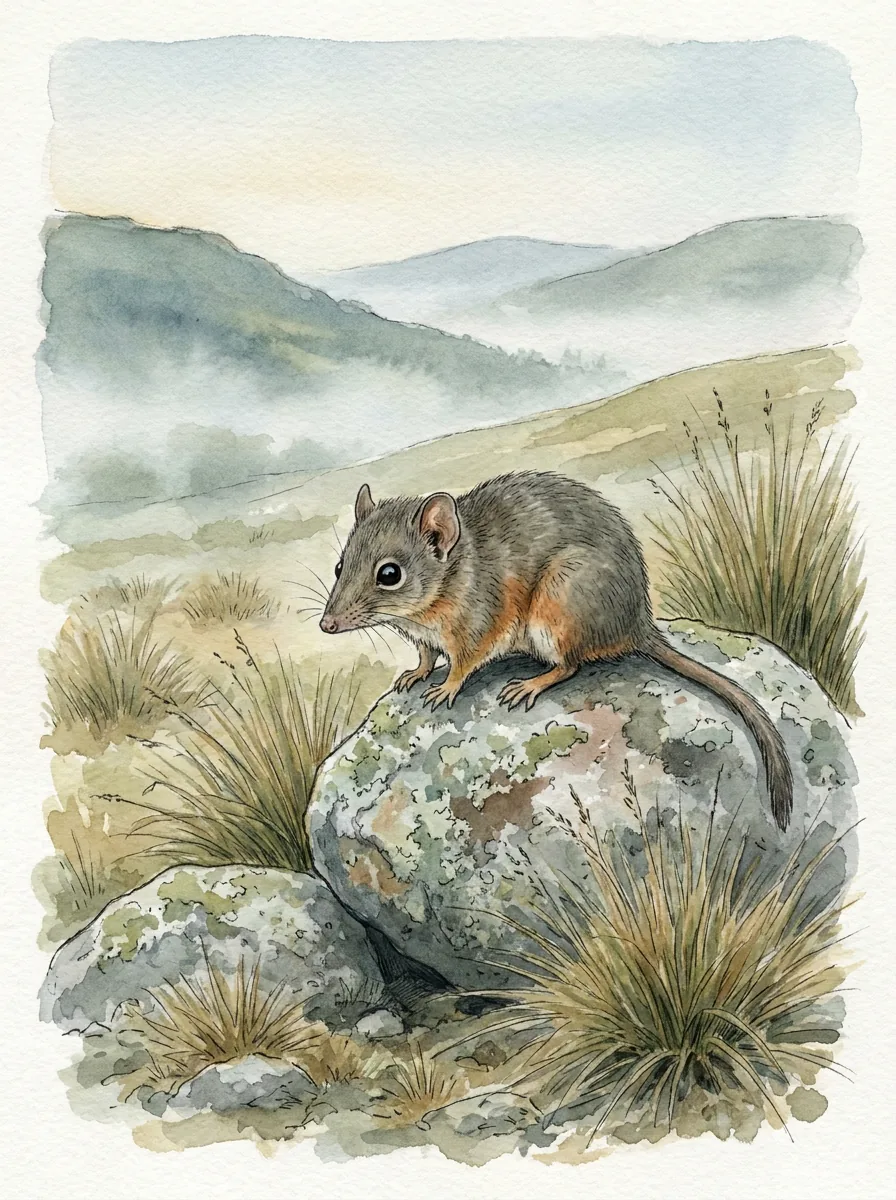
Illustration of Yellow-footed Antechinus
SA Vulnerable Illustration

Yellow-footed Antechinus

Antechinus flavipes

A mouse-sized marsupial with a pointed snout and chestnut flanks. Vanishes where foxes are present, comes back when they are controlled.

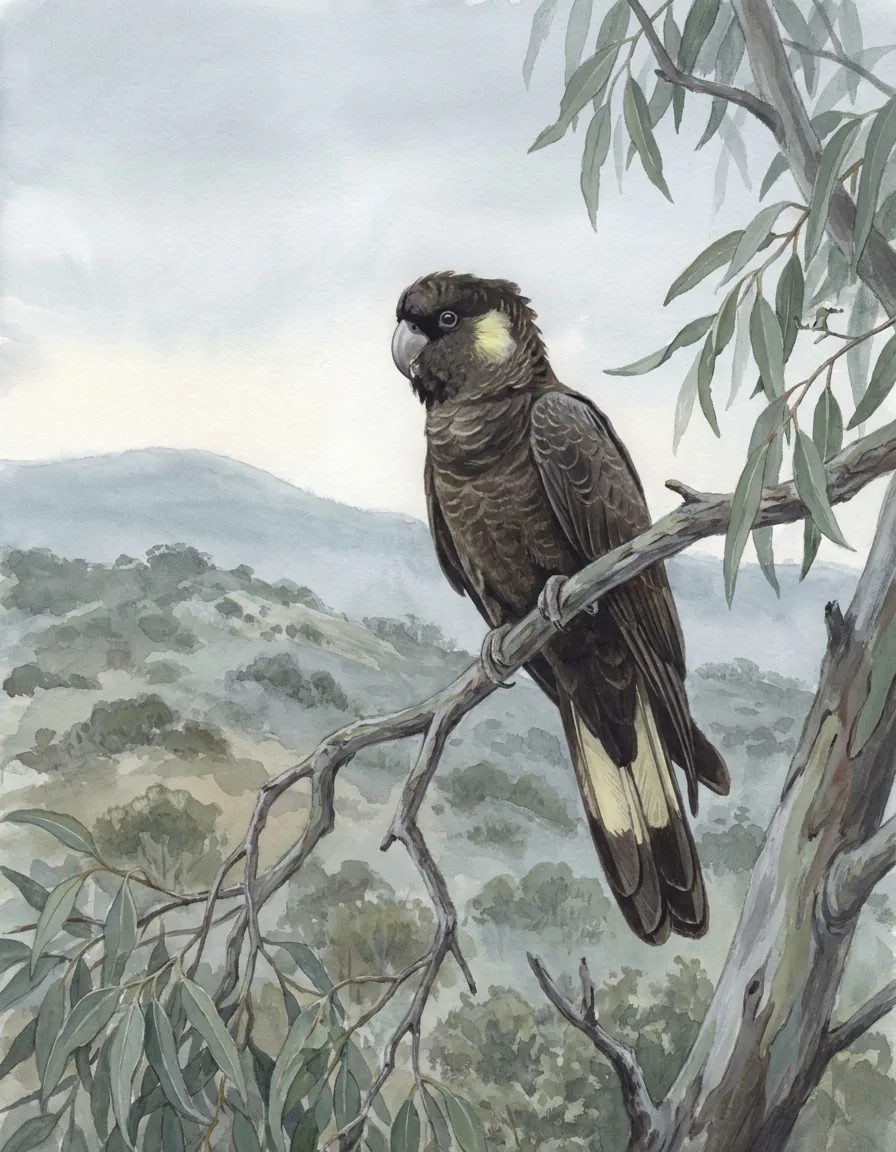
Illustration of Yellow-tailed Black Cockatoo
SA Vulnerable Illustration

Yellow-tailed Black Cockatoo

Zanda funerea

Large, with a slow flapping wingbeat and yellow panels in the tail. You hear the long wailing call well before you see them.

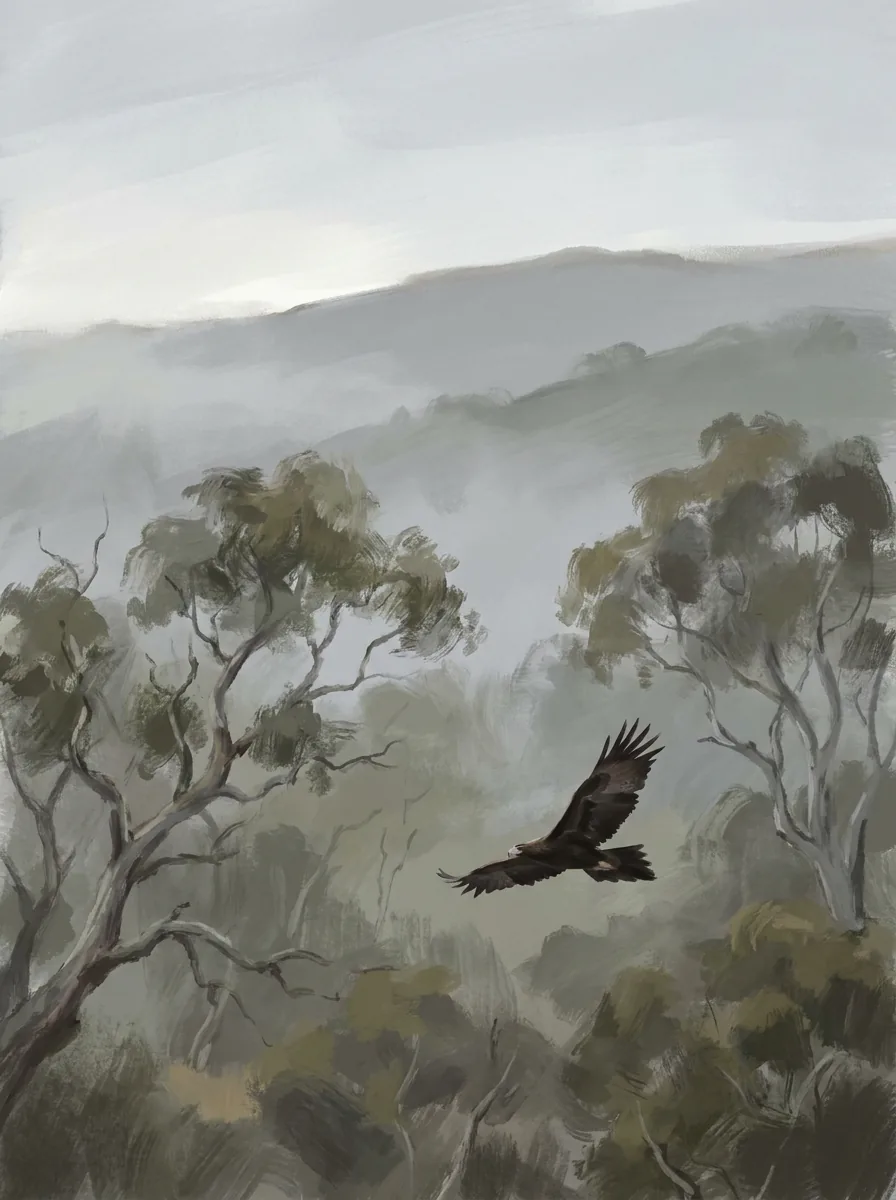
Illustration of Wedge-tailed Eagle
Protected Illustration

Wedge-tailed Eagle

Aquila audax

A huge wingspan and a long diamond-shaped tail. Soars the ridge on a warm afternoon, riding the updraft off the slope.

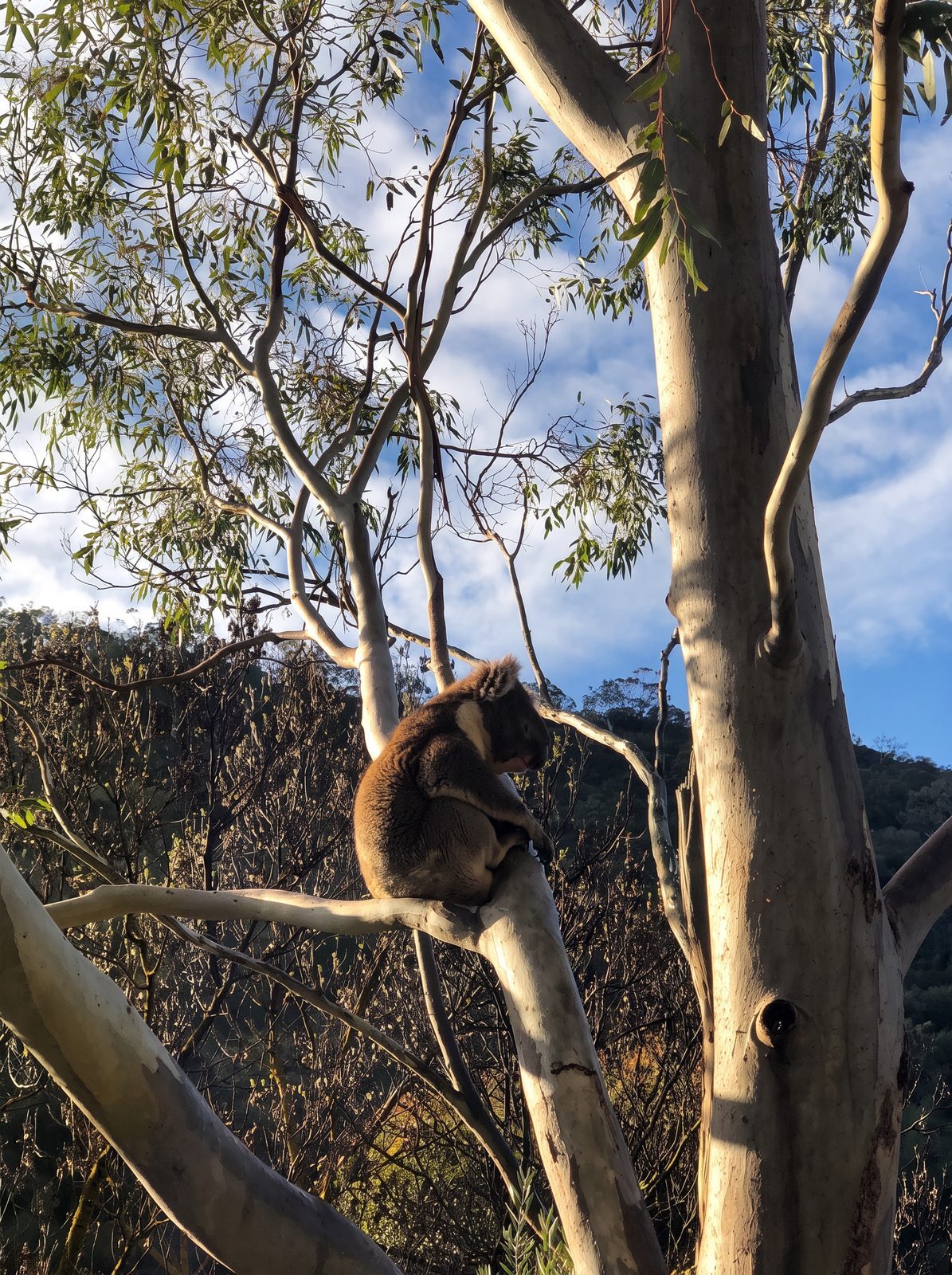
Koala
Confirmed on site · resident

Koala

Phascolarctos cinereus

Seen on the land most days and filmed here in August. The animal this whole project began around.

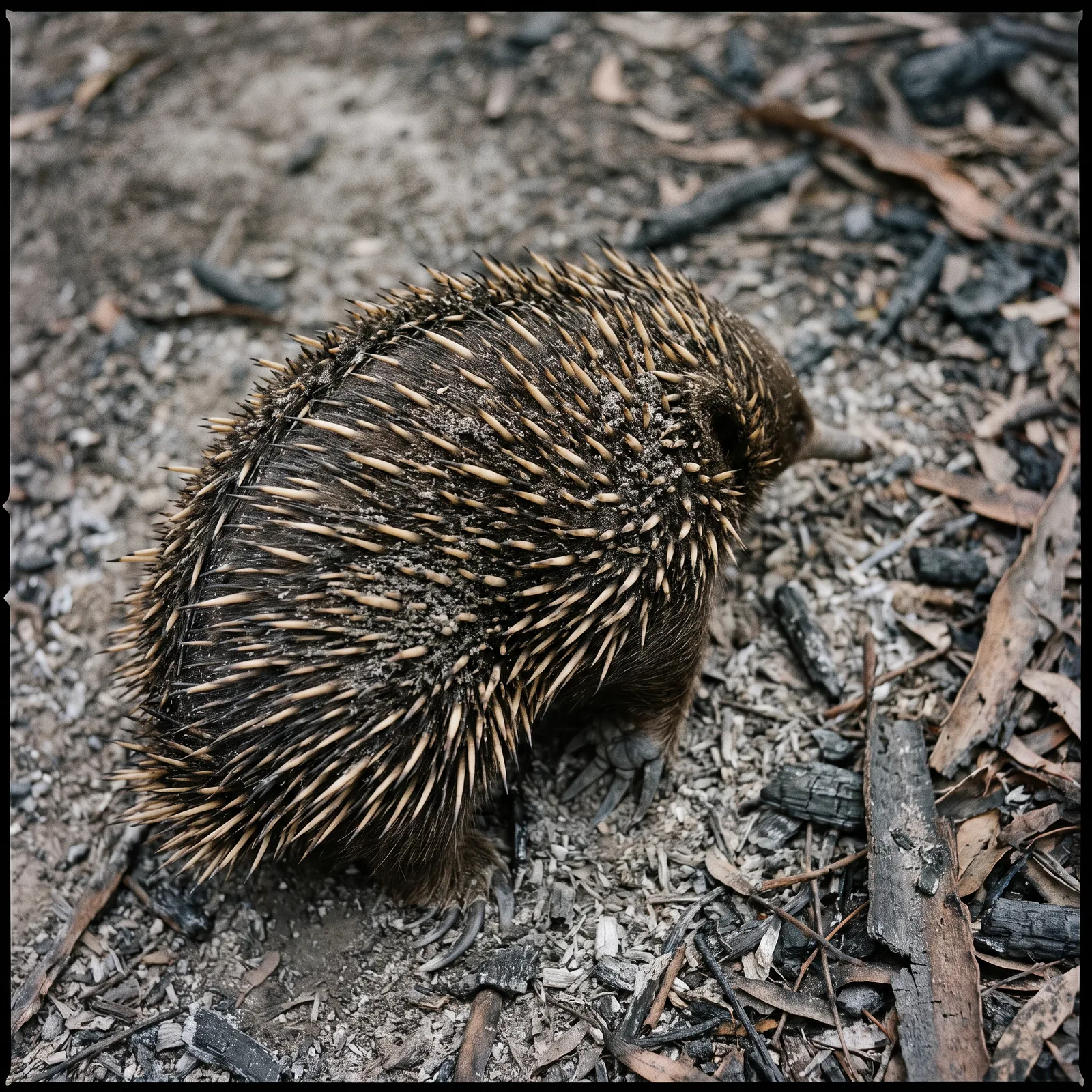
Illustration of Short-beaked Echidna
Confirmed on site · Sep 2026 Illustration

Short-beaked Echidna

Tachyglossus aculeatus

Recorded on the land, its broad shallow diggings turning the soil as it feeds on ants and termites.

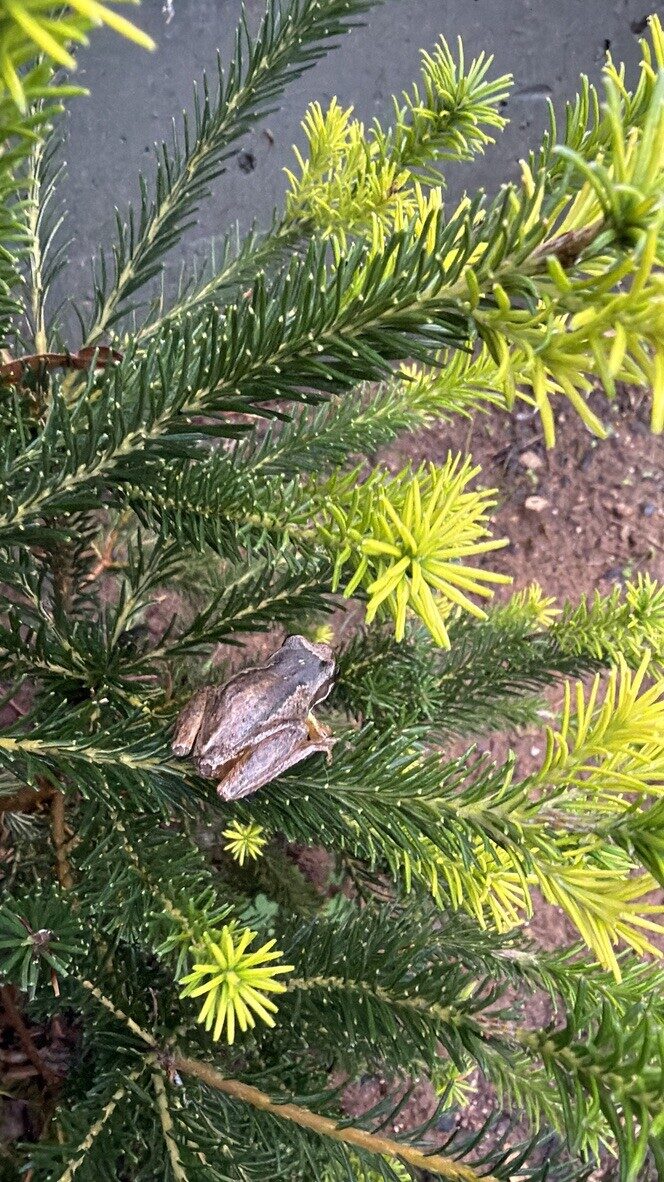
Brown Tree Frog photographed on the land
Confirmed on site · 9 Aug 2026

Brown Tree Frog

Litoria ewingii

A small tree frog with a rising, reeling call after rain. Logged on the land in August.

Fan-tailed Cuckoo photographed on the land
Confirmed on site · 12 Aug 2026

Fan-tailed Cuckoo

Cacomantis flabelliformis

Its slow trilling call carries across the gully in spring. Recorded on site.

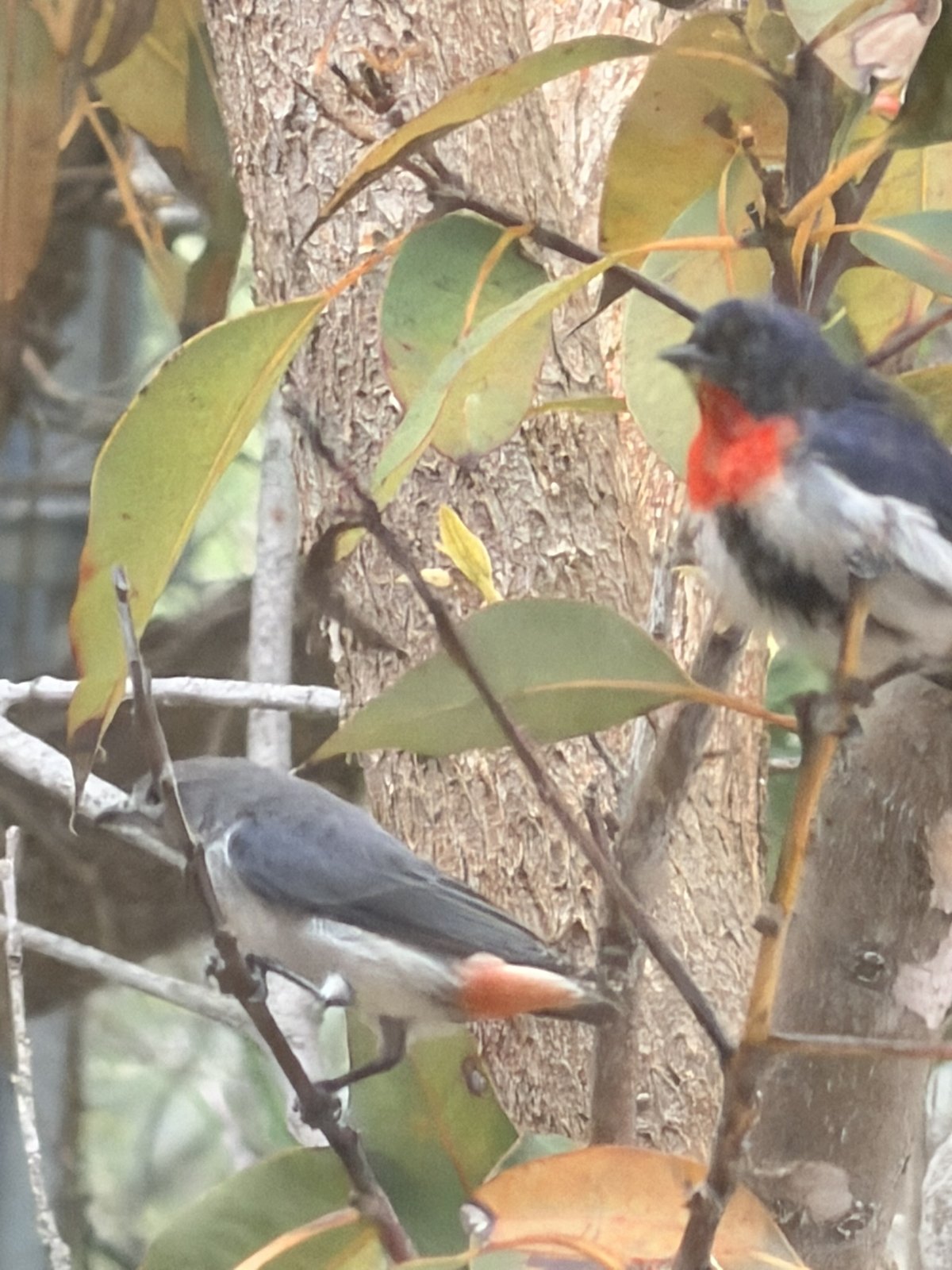
A pair of Mistletoebirds photographed on the land
Confirmed on site · 26 Aug 2026

Mistletoebird

Dicaeum hirundinaceum

A tiny bird that spreads native mistletoe, food and shelter for other species. Seen on the land.

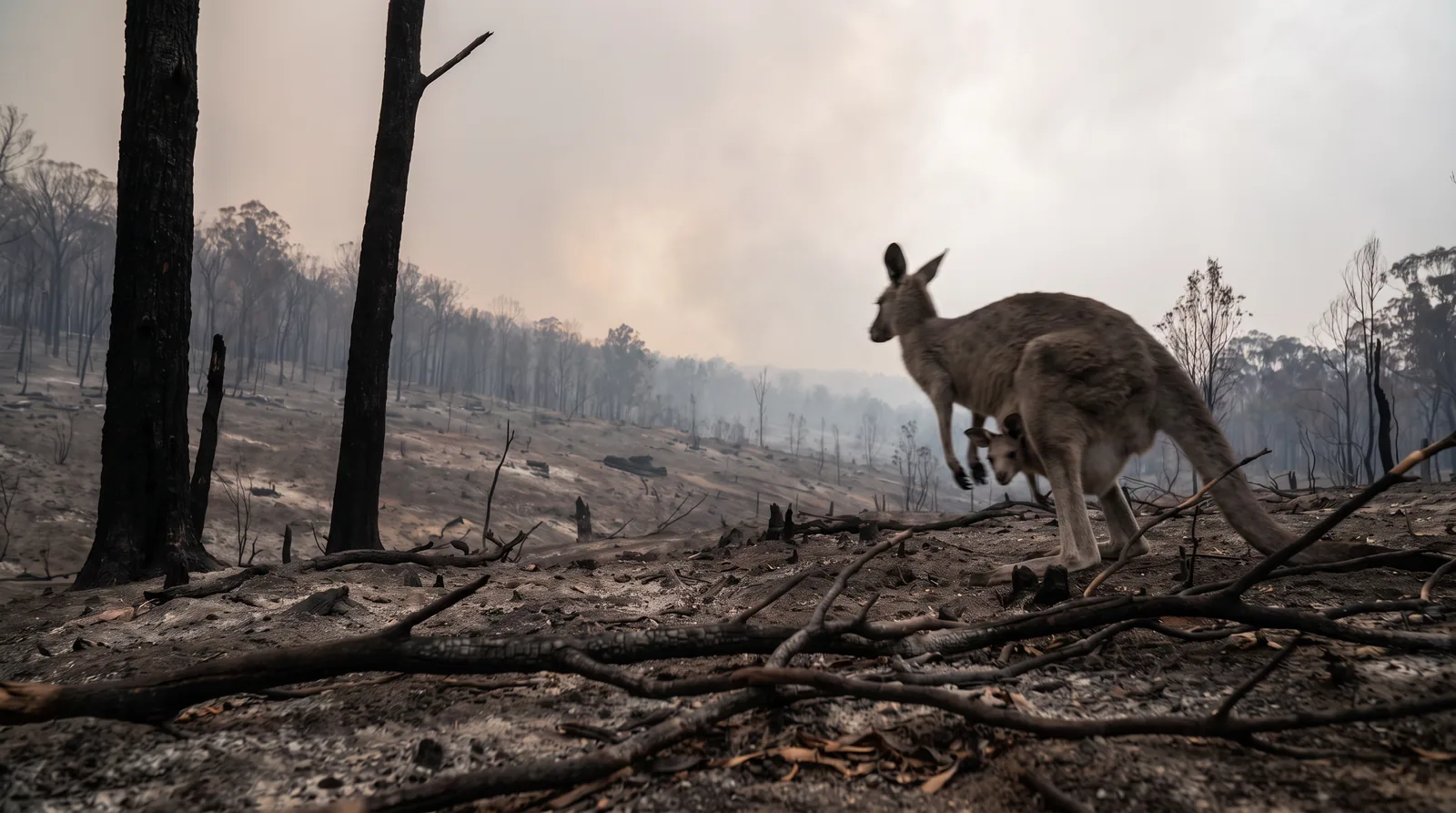
Illustration of Western Grey Kangaroo
Confirmed on site · 18 Sep 2026 Illustration

Western Grey Kangaroo

Macropus fuliginosus

Grazes the open ground at dusk. Recorded on the property in September.

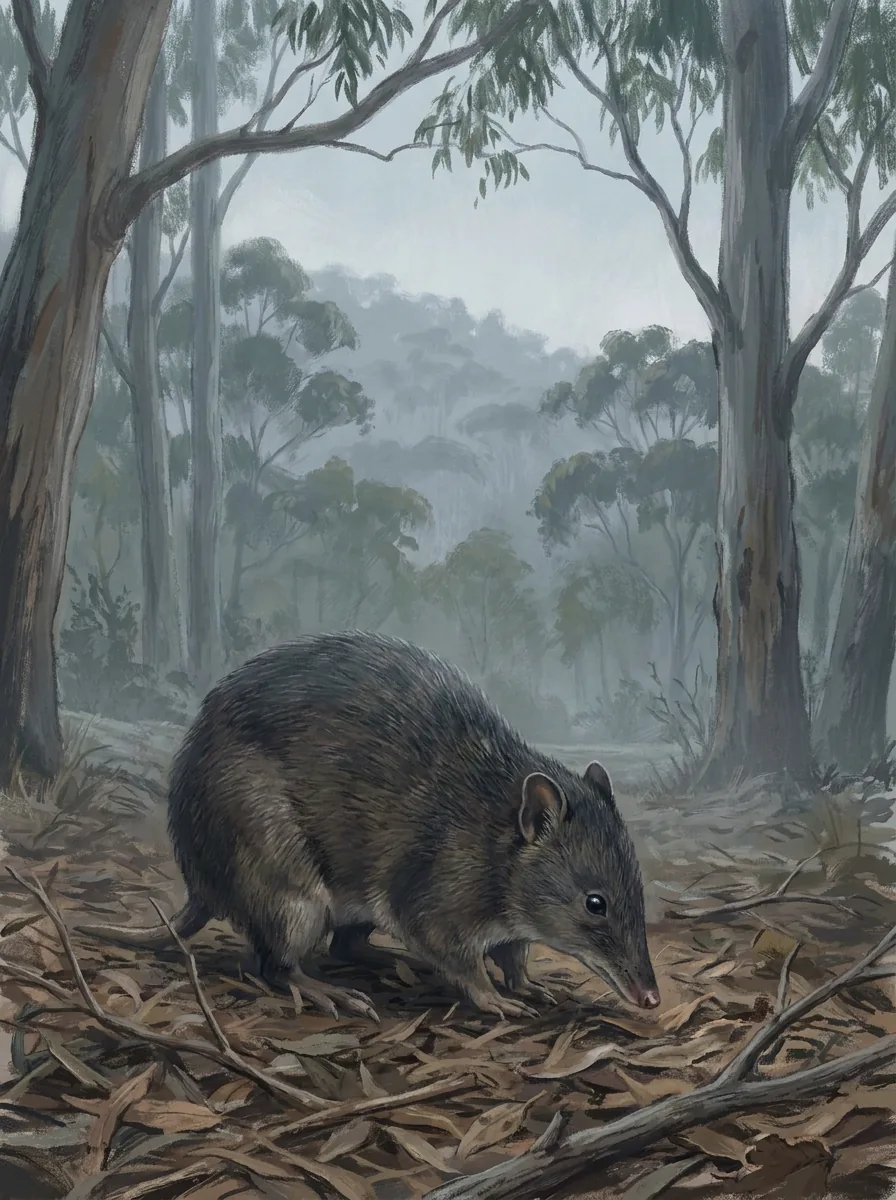
Illustration of Southern Brown Bandicoot
EPBC Endangered · nearby Illustration

Southern Brown Bandicoot

Isoodon obesulus obesulus

Not on the land yet. The nationally endangered species we most want the corridor to bring back. Its nearest record is close by, and its neat conical diggings are the sign we watch for.

Threats

be honest about it

Be plain about what this landscape is up against. These are real, widespread, and mostly getting worse without action.

Wild olive

Field ID: flip a leaf. Silver-white underside means feral olive.

The dark green canopy filling the gully is feral olive, not native bush. It is the single biggest structural problem on the land.

  • Forms a closed mid-canopy over 80% crown cover, shading out native grasses, herbs and gum seedlings. The gums above it are the last generation.
  • Spread by birds and by foxes, which carry the seed kilometres from the parent tree.
  • Controlling it is a legal obligation under the Landscape South Australia Act 2019, not a choice.
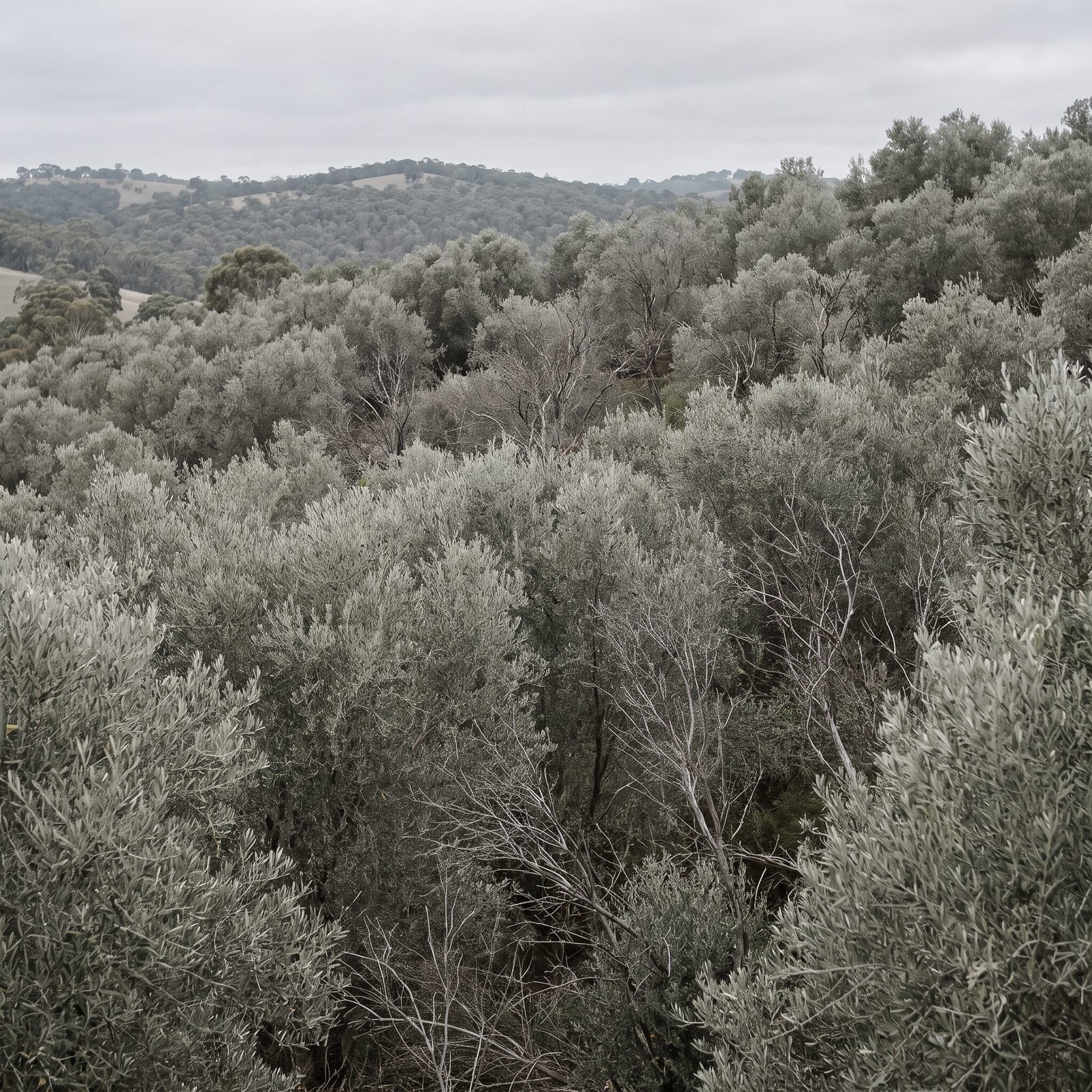
Hillside blanketed in silver-grey feral olive canopy in the Adelaide Hills
That silver-grey is not native bush. It is feral olive, taking a slope we are working to restore.
Olive and fire

Clearing it lowers the bushfire risk

The danger is not that olive burns hot. Green olive holds a lot of moisture and does not ignite easily on its own. The problem is structure. Olive fills the gap between the grass and the tree crowns, building a continuous ladder of fuel from the ground up. A fire that would have stayed low in the grass can climb that ladder into the canopy and become a crown fire. In a gully that runs uphill, which funnels fire, that matters even more.

Clearing the olive takes the ladder away. It cuts the fuel load and changes how a fire moves through this country. It does not make the land fireproof, it is still a eucalypt landscape, but a slope of open woodland carries fire very differently to a slope choked with olive. Removing this weed is fire work as much as habitat work.

Feral olive shrubs crowding around the base of a eucalypt
Olive closing in around an old gum.
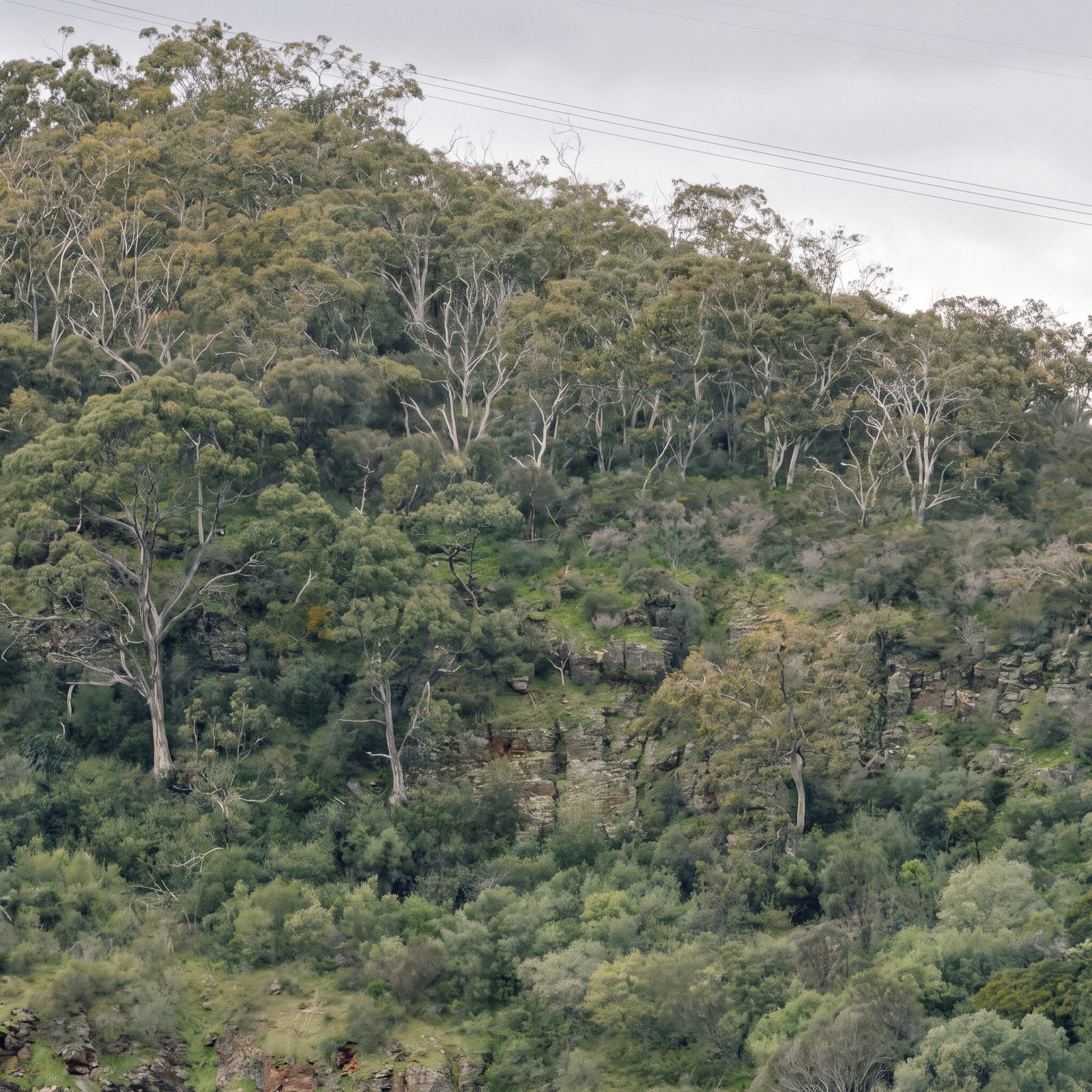
Adelaide Hills hillside with bare dead eucalypt trunks among green growth
Gums that could not hold on.
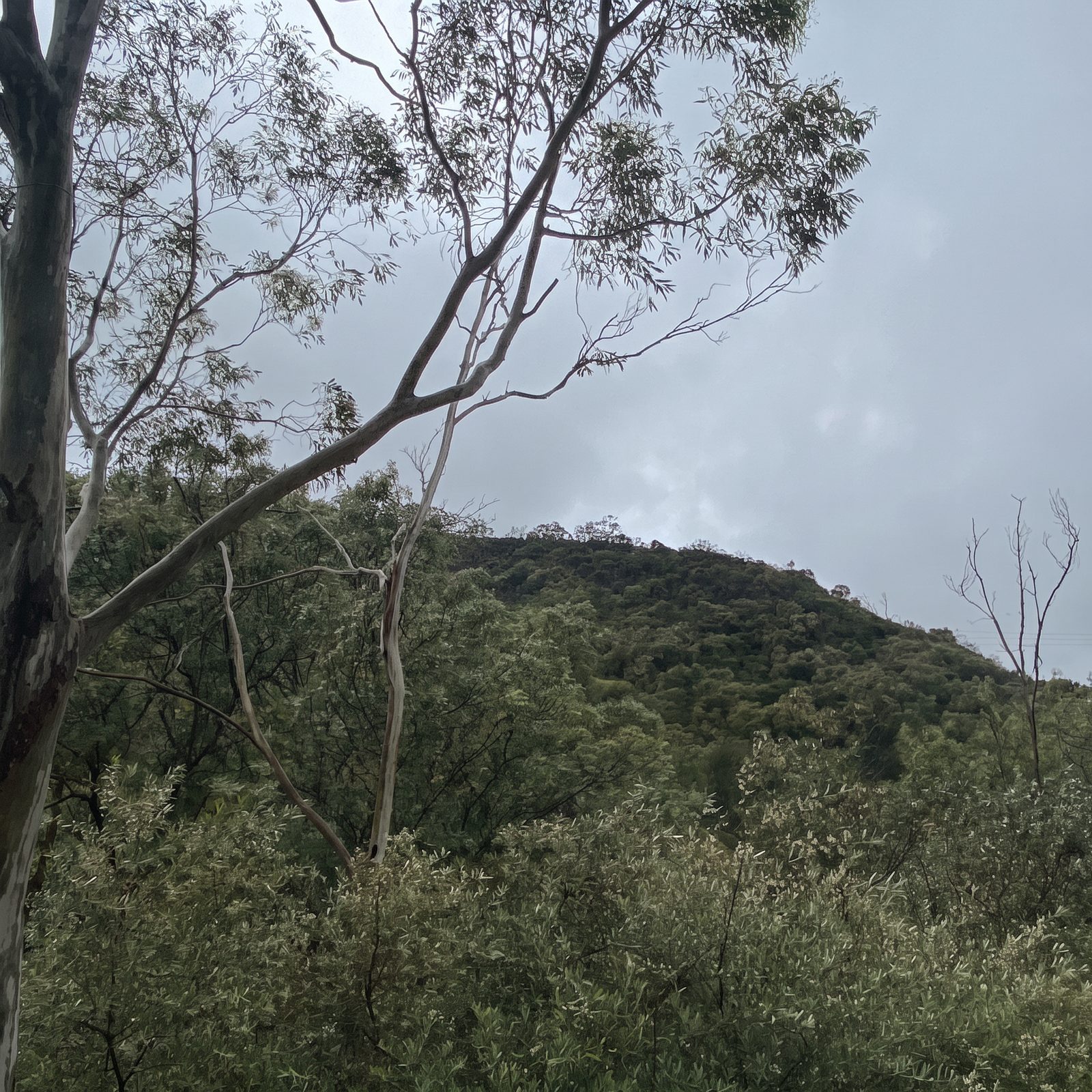
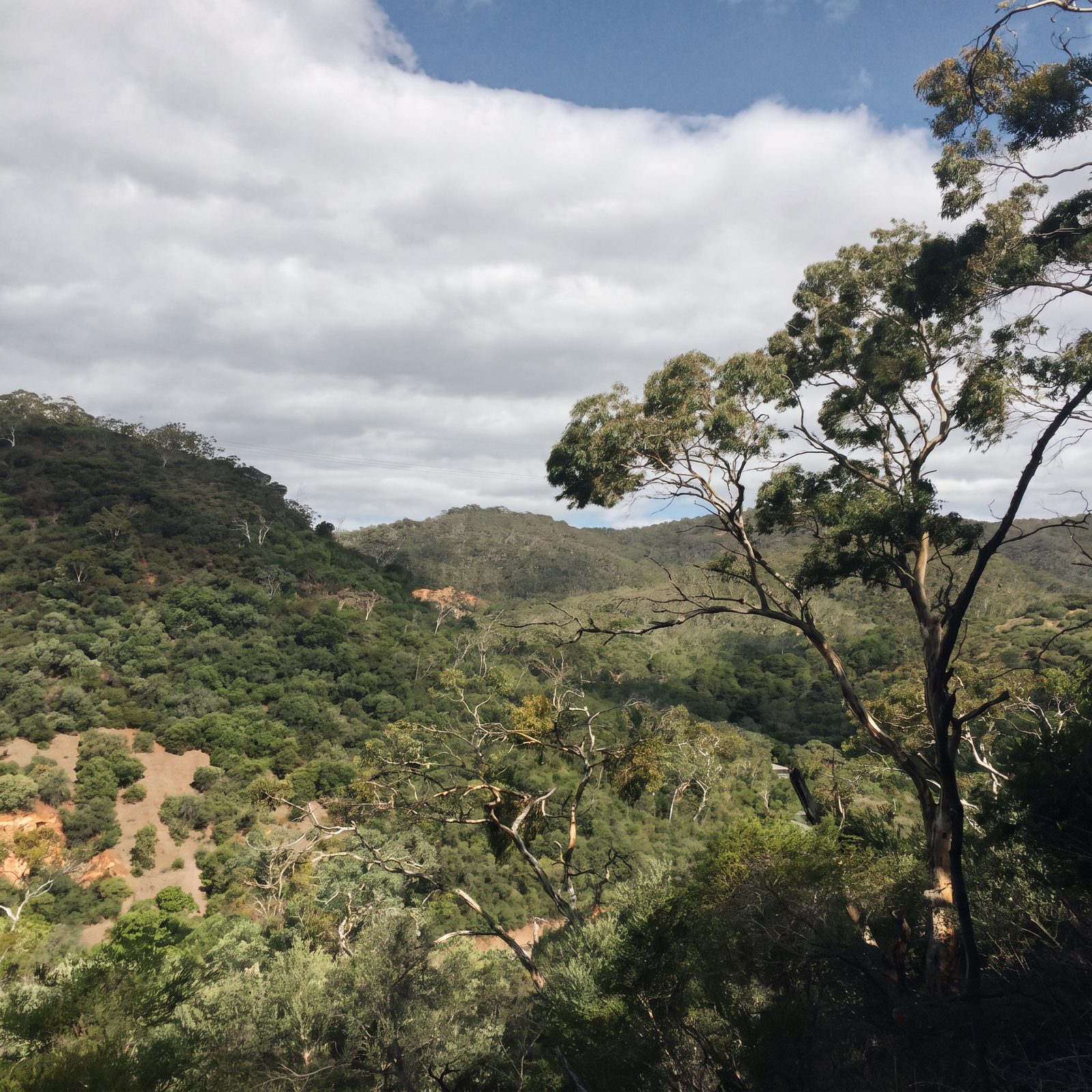
Wide cloudy view across a wooded Adelaide Hills valley
The corridor Skye sits within.

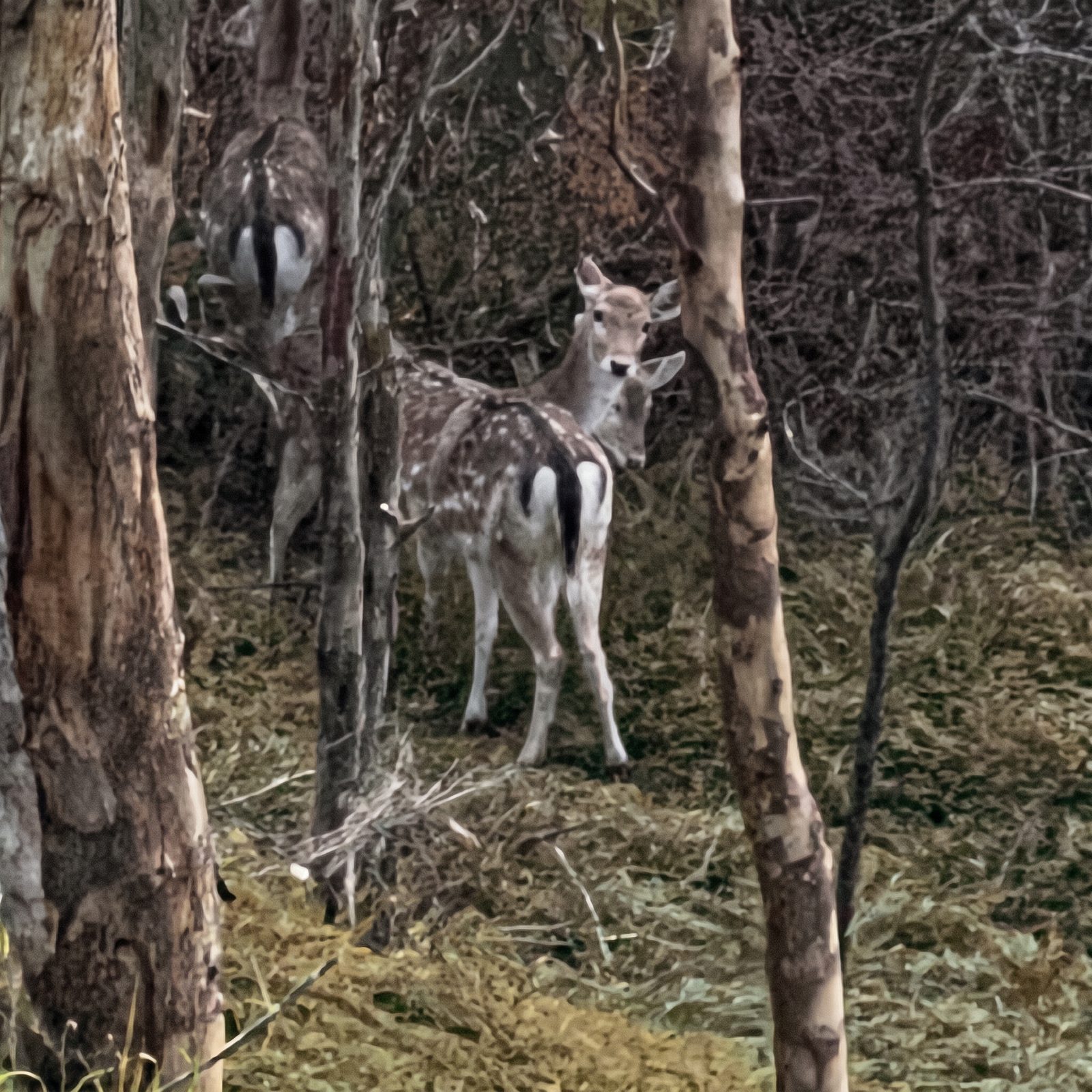
Feral deer

Declared pest in South Australia. Confirmed on the property.

Fallow deer graze out native seedlings before they can establish, compact the soil, and damage habitat. Beautiful animals, in the wrong place, and a declared pest we are obliged to manage.

Two spotted fallow deer among eucalypt trunks in bushland on the property
Feral fallow deer on the property. A declared pest, so native species get the room to recover.
Predators

Red fox and feral cat

Both are in the area, and both put heavy pressure on small native mammals. The Yellow-footed Antechinus disappears where foxes are present and recovers when they are controlled.

There is a direct link worth naming. The same foxes we are working to keep out are actively spreading the olive seed that is killing the habitat. Predator control and weed control are the same job.

Fire

Bushfire risk

Not a threat to avoid, a condition to design for. This is a Hills Face landscape and it will always carry fire risk.

Olive makes it structurally worse. The dense mid-storey it builds carries ground fire up into the canopy, turning a grass fire into a crown fire. The animals here cannot be evacuated, so fire design is built in from the start, not added later.

The other weeds

worst first

Olive is the biggest, but it is not the only one. The September survey confirmed these across the ground layer and the edges. We are clearing them worst first.

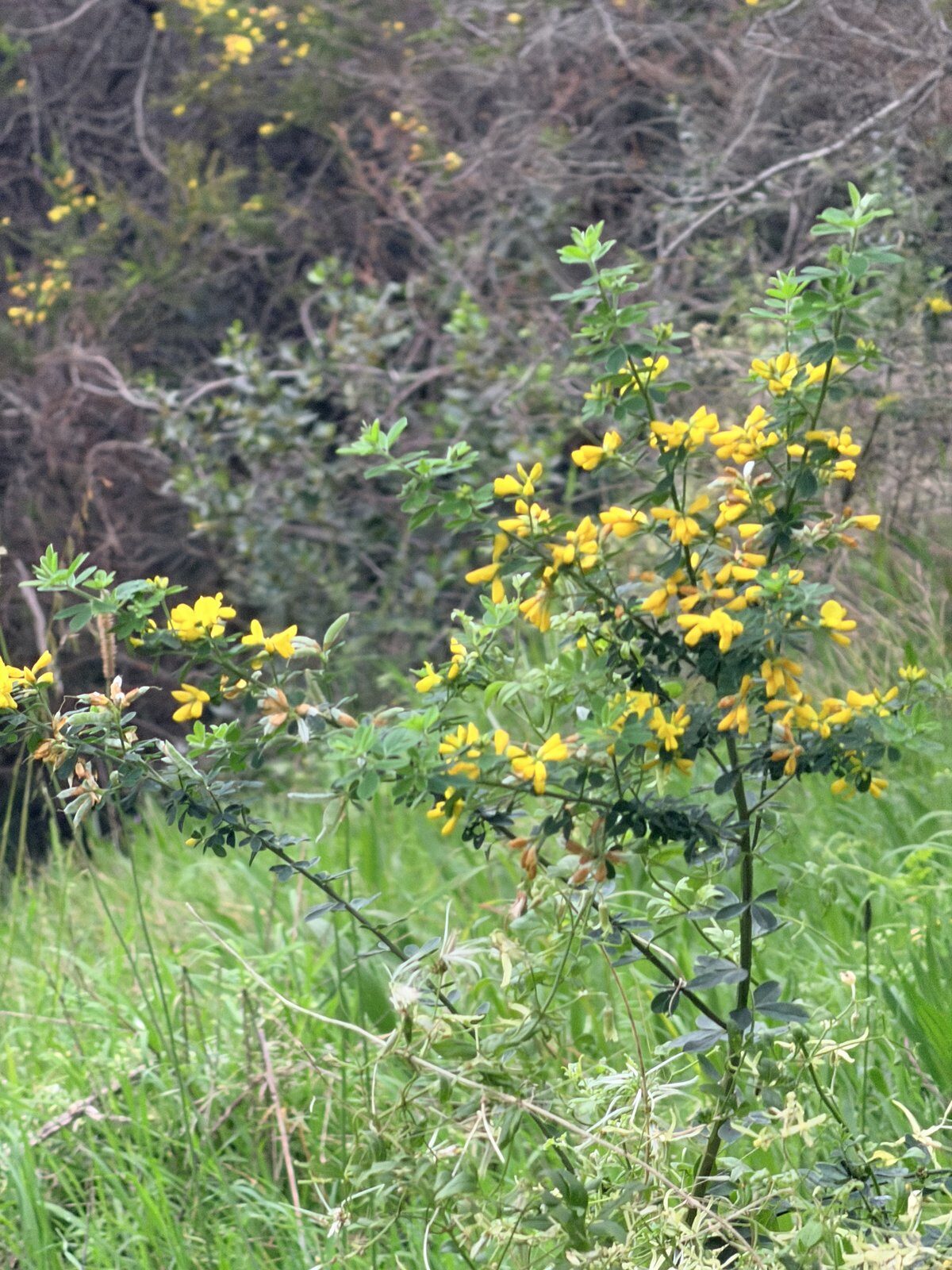
Cape Broom
Declared

Cape Broom

Genista monspessulana

A dense woody legume that crowds out native seedlings. Declared in South Australia.

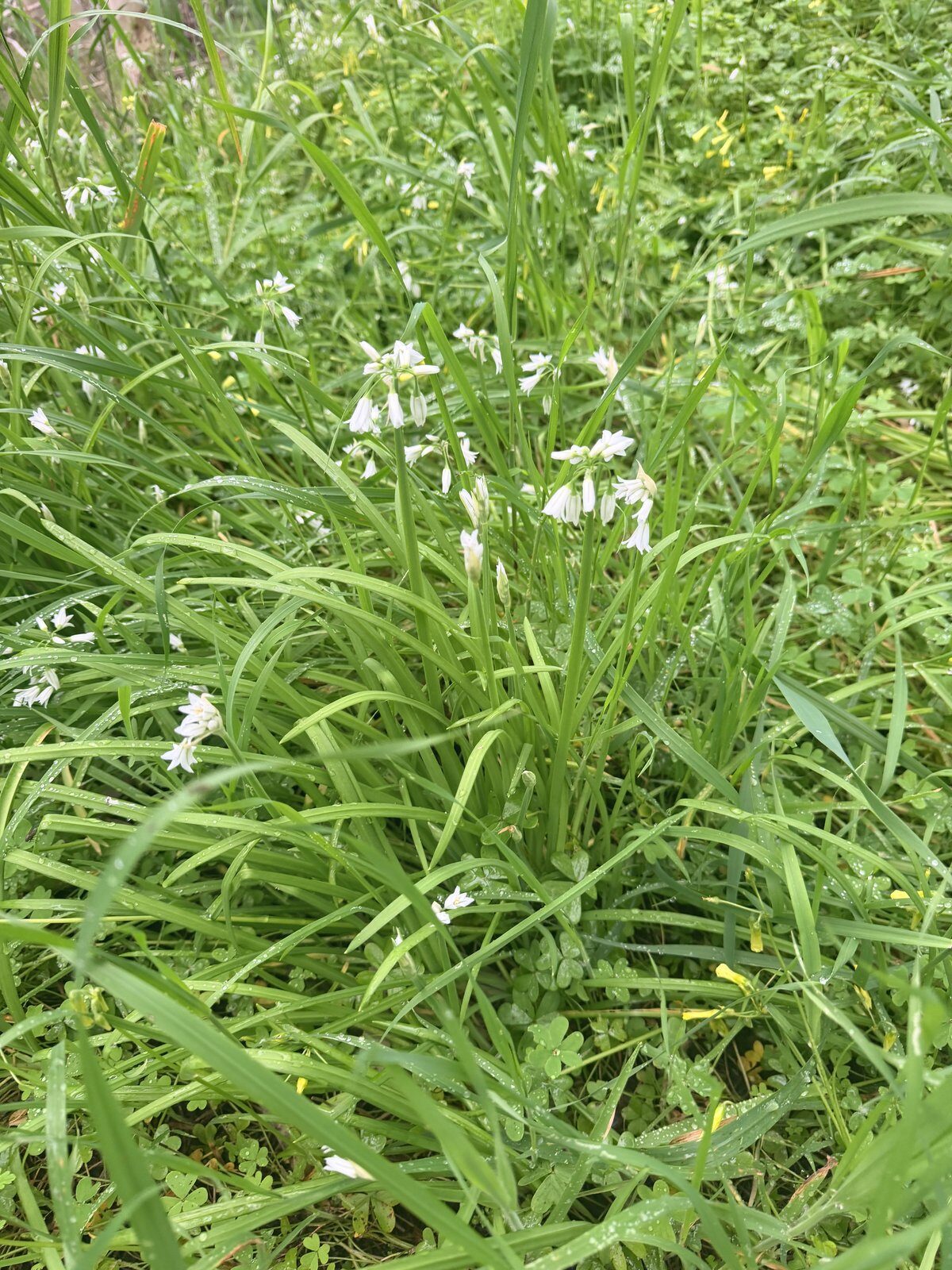
Three-cornered Garlic
Declared · dominant

Three-cornered Garlic

Allium triquetrum

Blankets the ground layer in a smothering carpet through winter and spring.

Photo coming
Priority woody weed

Sweet Pittosporum

Pittosporum undulatum

A shade-casting small tree that shuts out the understorey. A priority for removal.

Photo coming
Environmental weed

Mediterranean Buckthorn

Rhamnus alaternus

A tough evergreen shrub that spreads into bushland and holds ground the natives need.

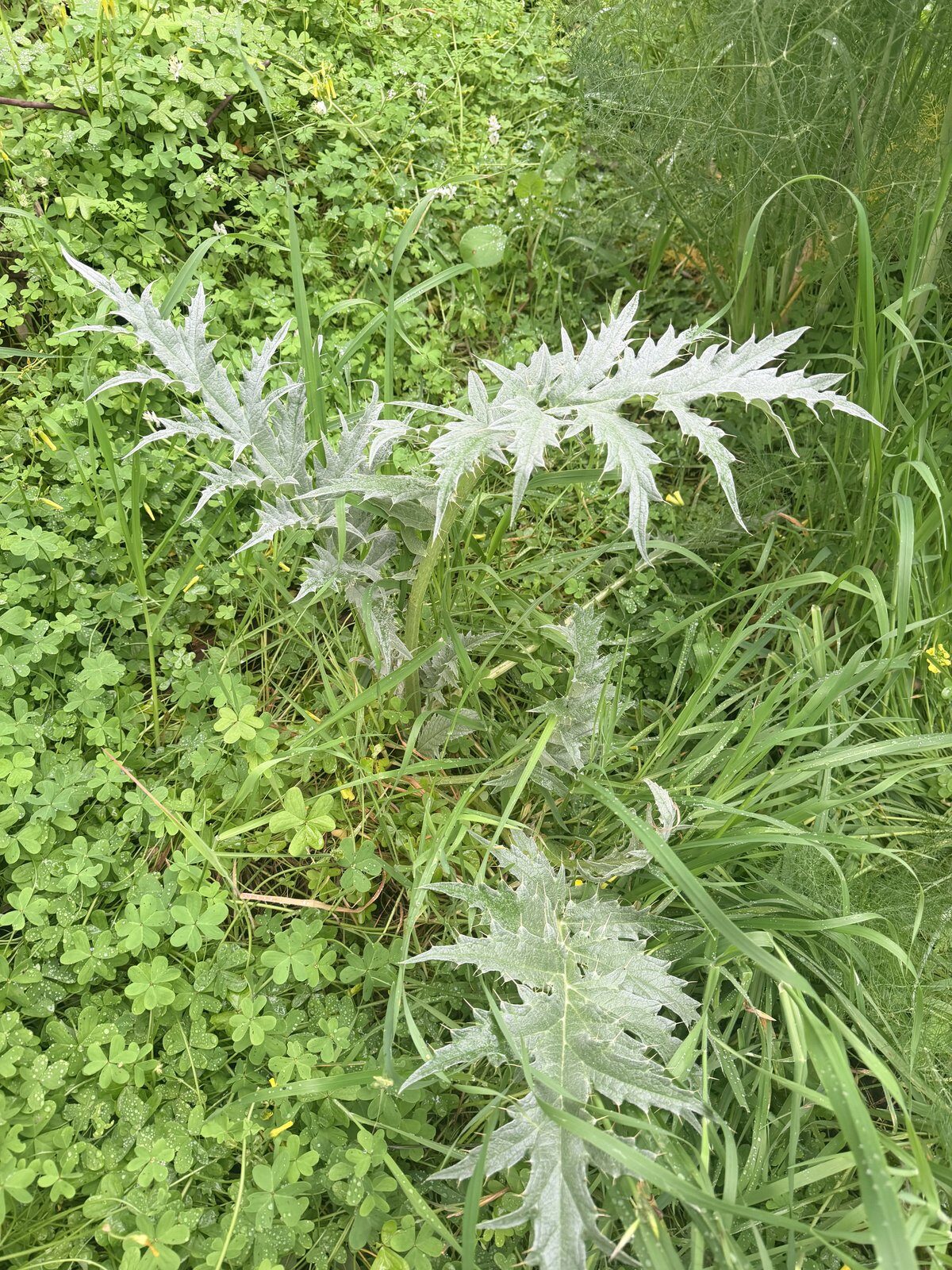
Artichoke Thistle
Declared

Artichoke Thistle

Cynara cardunculus

A giant thistle that forms spiny colonies on open ground.

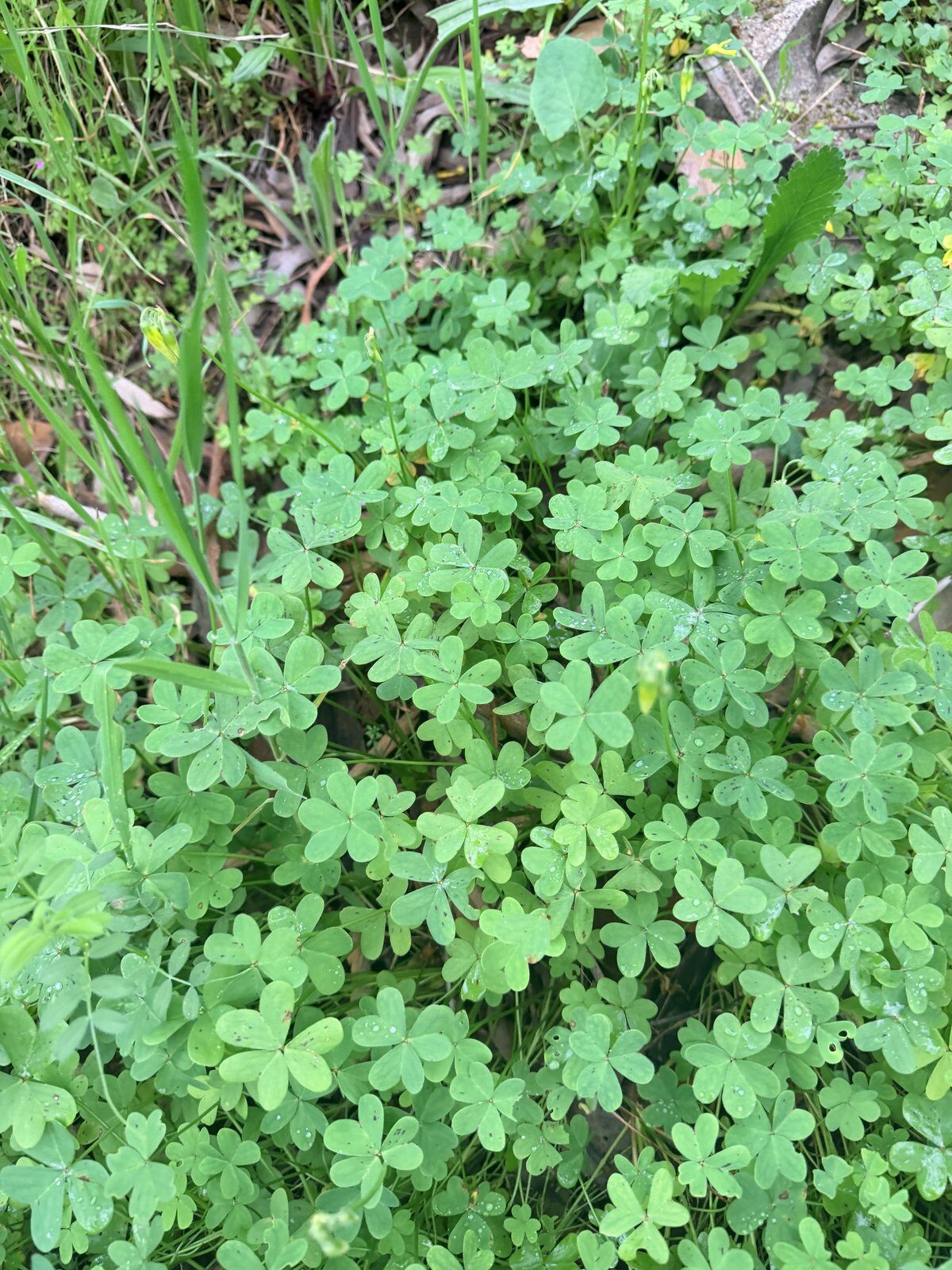
Soursob
Dominant groundcover

Soursob

Oxalis pes-caprae

The yellow-flowered oxalis that carpets disturbed soil through winter.

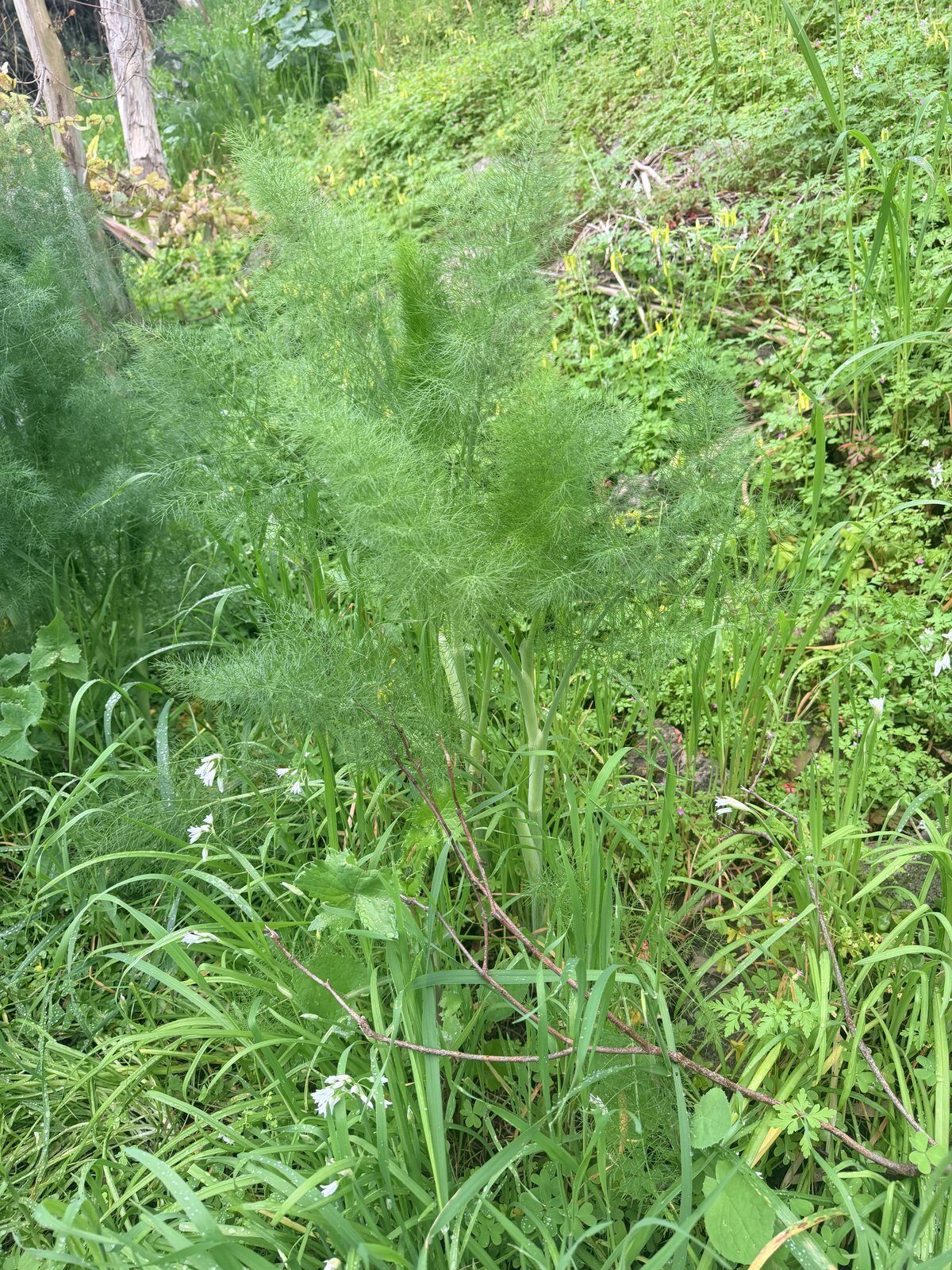
Fennel
Minor

Fennel

Foeniculum vulgare

Tall aniseed-scented stems along the edges and tracks.

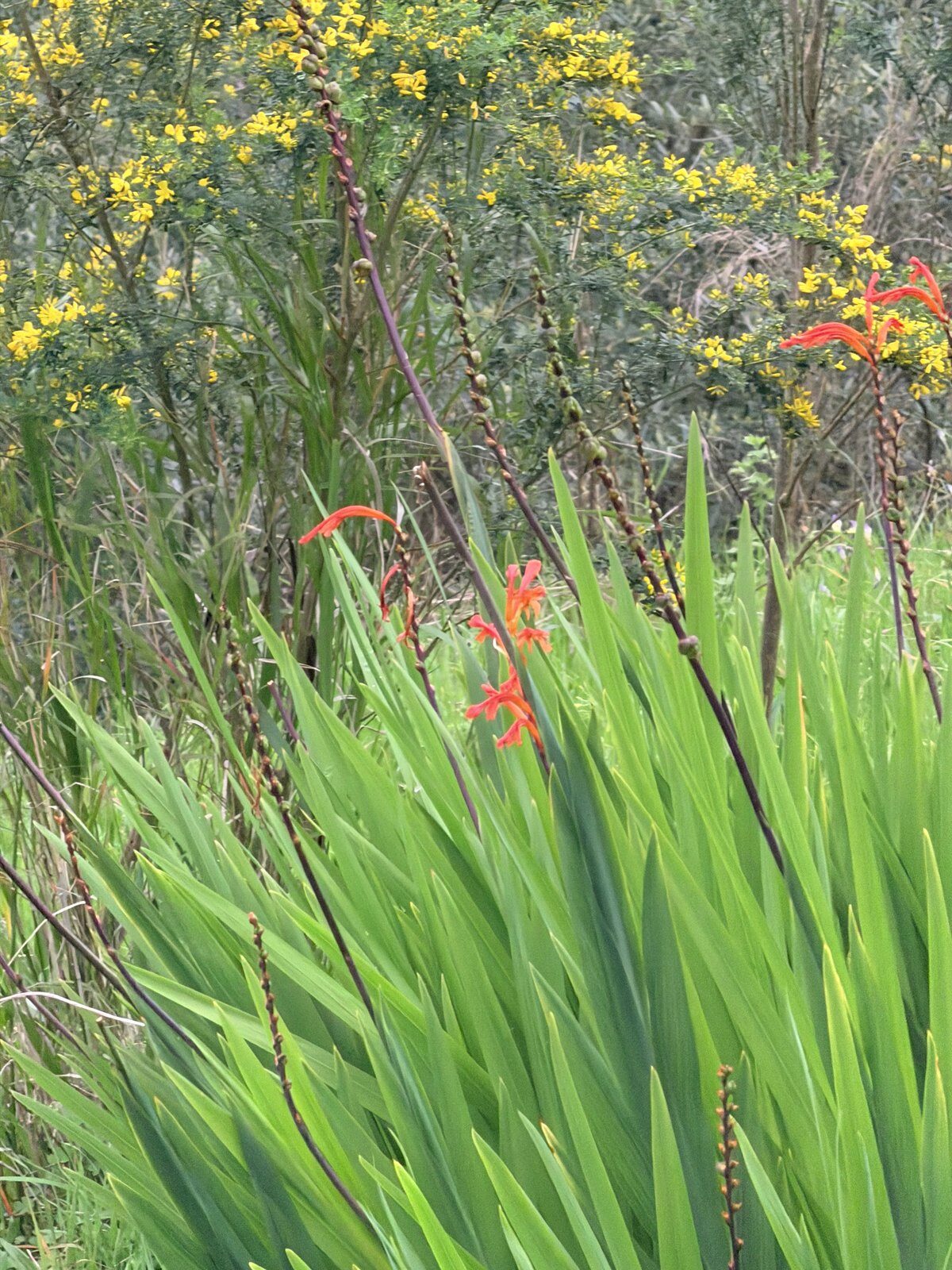
African Flag
Garden escape

African Flag

Chasmanthe floribunda

An orange-flowered bulb escaped from gardens into the bush.

What we are doing

the response

Our response is simple. Weeds out, natives back. Clear the feral olive and the old gums recover on their own, they resprout. What does not come back by itself is the understorey, the shrubs, grasses and groundcover the animals actually live in. That is the work that needs doing, and funding. This tree is what the first step looks like.

A mature eucalypt with bare scarred lower limbs and fresh green canopy regrowth on a cleared Adelaide Hills slope, recovering after feral olive removal.

This gum spent years buried in feral olive. The block owner cleared it, and the canopy is already coming back. Take the olive off and the tree does the rest. The harder job, the one worth funding, is rebuilding the understorey underneath it.

Weed control · olive

Stem injection, not machinery

Drill and fill, a minimal disturbance method that is effective with no soil damage. No machinery until the olive along the track line is treated first, so we do not spread seed. Danny Rohrlach of Minimal Disturbance Bushcare is leading it.

Predator control · fox and cat

Trap, not bait

1080 and PAPP baits kill native carnivores and domestic animals, so we do not use them. Camera-guided cage trapping only.

Feral deer

Eradication program

Plugged into the South Australian 10-Year Feral Deer Eradication Program, with a landholder removal obligation. Coordinated with Biosecurity SA.

Fire design

Built in from the start

A fire access track is being planned to get emergency vehicles into the gully. Static water storage, non-combustible enclosure materials, and drenchers for the animal areas. Coordinated with the CFS.

Species monitoring

Measured, and shared

Trail cameras across both blocks and an active iNaturalist project, over 5,000 observations, over 1,000 species and 15 threatened. The data is shared openly with the Department for Environment and Water and the Landscape Board.

Replanting

Local provenance only

Local provenance species only. Grassland is kept as grassland, with no tree planting where the ground is native grassland. Restoration works are timed for the autumn and winter planting seasons.

Resources

report and look up

Places to report what you see, and to look up the plants and animals of this area. If you find injured wildlife, the rescue contacts are here too. All of these open in a new tab.